
Black Women’s Hair and The Hidden Dangers in Synthetic Hair Products Used On It

The Hidden Dangers in Synthetic Hair Products Sold to Black Women
Recently, shocking findings have emerged regarding synthetic hair products predominantly marketed to Black women. Reports have revealed the presence of harmful chemicals, including carcinogens, in these products, raising significant health concerns. Should Black women be panicking?
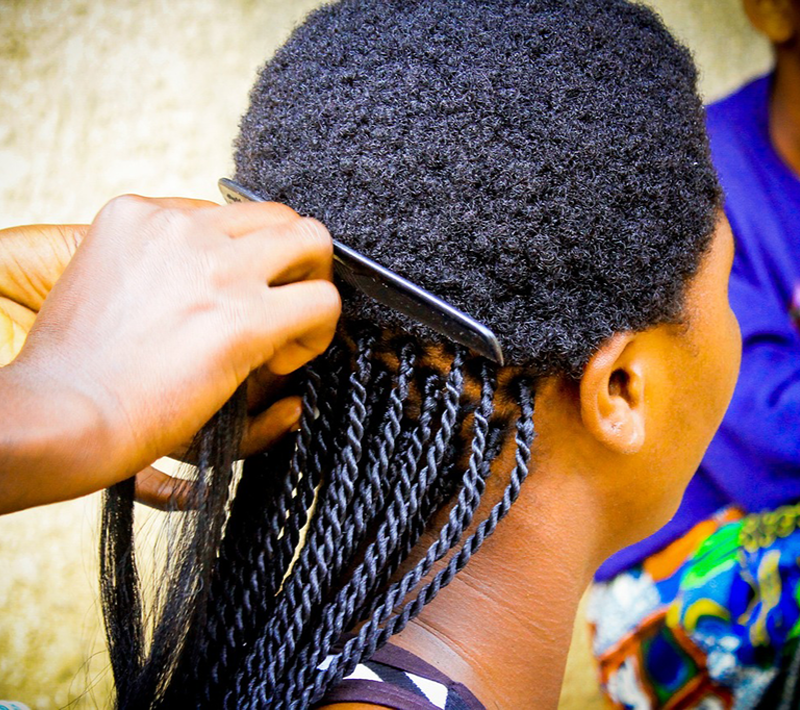
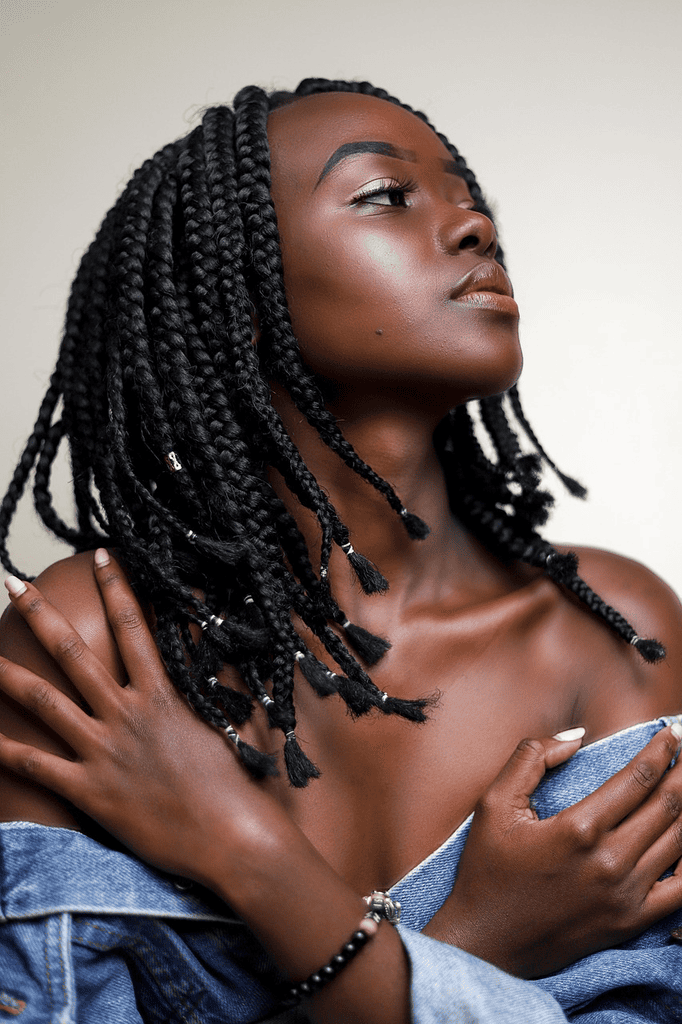
For many Black women, synthetic hair products such as wigs, hair extensions, and braiding hair are more than just beauty accessories; they are an important part of Black women’s culture. These products help protect natural hair from breakage, exposure to changing weather conditions, and the effects of daily styling. They also allow women to experiment with different styles, such as braids and twists, without subjecting their natural hair to excessive manipulation or potential damage.
Beyond hair protection, synthetic hair products offer convenience and versatility. They are also considerably more affordable and accessible than their human hair counterparts, allowing women to explore different styles without having to contend with the “hypertension-inducing” prices often associated with human hair alternatives.
Recent Discoveries About Synthetic Hair and Black Women’s Hair
Last year, a lawsuit was filed against several hair relaxer brands, including L’Oréal’s Dark & Lovely, Ultra Sheen, Just for Me, and Motions, among others. The lawsuit alleged that these products were responsible for nearly 10,000 cases of cancer and other reproductive health conditions, including uterine, endometrial, and ovarian cancer, as well as uterine fibroids.
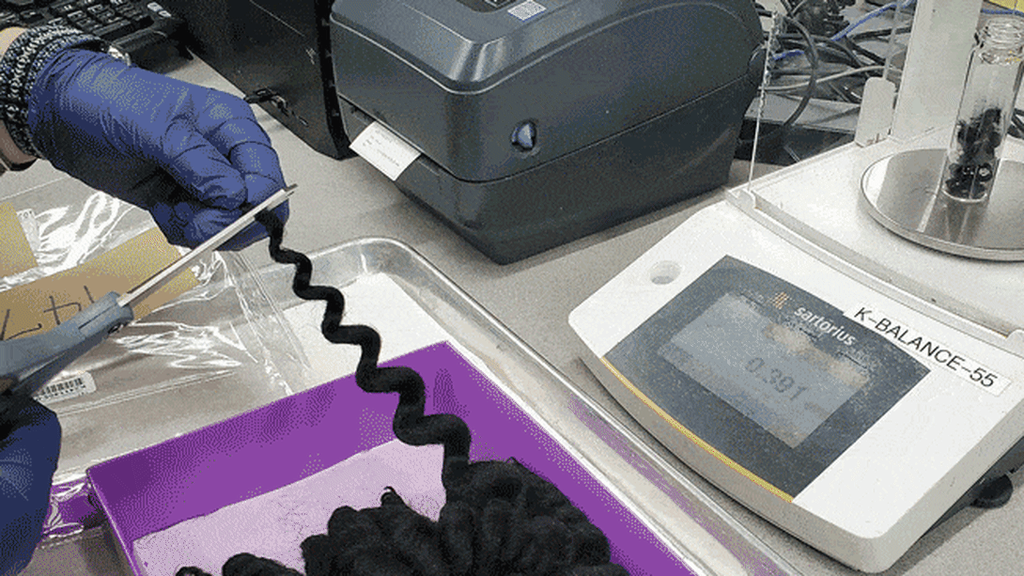
As if that wasn’t alarming enough for Black women, a recent study by Consumer Reports has raised further concerns about the safety of synthetic hair products. The organisation tested ten synthetic hair products from eight popular brands sold in the United States, including Darling, Sensationnel, Magic Fingers, Sassy Collection, Shake-N-Go, Debut, and Hbegant. The findings revealed the presence of potentially harmful chemicals, including carcinogens, across the tested samples.
The ten products analysed were:
- Darling: Flexi Rod Curls Crochet, 14 inches
- Debut: Wavy Hair Weave, 20 inches
- Sassy Collection: 100% Kanekalon Jumbo Braid
- Hbegant: Afro Twist Pre-Fluffed Wrapping Hair, 24 inches
- Magic Fingers: 3X Pre-Stretched Braiding Hair, 52 inches
- Sensationnel: Ruwa 3X Pre-Stretched Kids Braids, 12 inches
- Sensationnel: X-Pression 3X Pre-Stretched Braid, 58 inches
- Sensationnel: Lulutress Crochet Braid Passion Twist, 12 inches
- Shake-N-Go: FreeTress 3X Pre-Stretched Braid 301, 34 inches
- Shake-N-Go: Oranique Mastermix Water Curl Weave, 30 inches
The products were tested for heavy metals, including lead, arsenic, and cadmium, as well as volatile organic compounds (VOCs), all of which can pose significant health risks depending on the level and duration of exposure.
James Rogers, PhD, Director and Head of Product Safety Testing at Consumer Reports, emphasised the seriousness of the findings, noting that synthetic braiding hair is widely used by Black women and children across the United States and other countries, including Nigeria. These products are often worn for several weeks before being removed, potentially increasing the duration of exposure to harmful substances.
Lead was the most prominent heavy metal detected, appearing in nine out of the ten products tested. Lead exposure is particularly concerning because it can cause serious health and developmental problems. According to the Mayo Clinic, high levels of lead can damage the kidneys and nervous system in both children and adults. Severe exposure can also result in seizures, unconsciousness, and even death.
Arsenic and cadmium were also included in the tests because prolonged exposure to these metals can have adverse health effects. However, Consumer Reports found no arsenic in any of the tested products. Although traces of cadmium were detected in some samples, the levels were not considered high enough to pose a health risk.
The study also investigated the presence of volatile organic compounds, including benzene, methylene chloride, and vinyl chloride. These chemicals are particularly concerning because synthetic hair is often exposed to heat from curling irons, blow dryers, and straighteners to achieve different styles.
Research suggests that heating certain synthetic hair products can release these compounds into the surrounding air, potentially exposing users to harmful substances through inhalation. Prolonged or excessive exposure could have serious health implications.
Benzene, for instance, has been linked to leukaemia and other blood disorders. Vinyl chloride, a chemical associated with the production of certain synthetic materials, has also been linked to cancer. Methylene chloride, another chemical identified in the investigation, is particularly concerning. According to the Occupational Safety and Health Administration (OSHA), exposure can increase the risk of cancer and cause adverse effects on the heart, central nervous system, and liver, as well as skin and eye irritation.
Beyond laboratory findings, women have also reported experiencing adverse reactions after using synthetic hair products. These include scalp irritation, persistent itching, and allergic reactions.
One woman, Lawanda Carter, described how synthetic braiding hair caused her scalp to itch, eventually prompting her to stop using it. Other users have reported symptoms such as throat irritation, dizziness, migraines, skin irritation, and difficulty concentrating, which they associate with the strong odours emitted by these products.
Concerns about potentially harmful chemicals in beauty products are not limited to the United States. A 2024 study conducted in Nigeria also examined synthetic hair products and identified contaminants, including silver, cadmium, chromium, nickel, vanadium, lead, and various pesticides.
In another concerning development, a separate analysis found that 80% of more than 4,000 beauty products marketed to Black women contained at least one moderately hazardous ingredient. Exposure to certain harmful substances has been associated with increased risks of reproductive health problems, including infertility, birth defects, and certain cancers, as well as respiratory conditions.
The Beauty Industry’s Response to These Revelations
Following these revelations, Consumer Reports reached out to each of the hair brands involved in the study for comments. However, only two brands, Sensationnel and Magic Fingers, responded.
Sensationnel maintained its confidence in the safety of its products, stating:
“We unequivocally stand by the safety of our products, and our company urges consumers to continue to confidently use Sensationnel products. We are constantly evaluating our materials and processes with customer safety in mind.“
Magic Fingers also defended its products, arguing that Consumer Reports’ testing methods did not accurately reflect how customers use its synthetic hair. The company stated that the methods “do not fairly match the real-world way that our customers use our Magic Finger products.” It further emphasised that it stood by the safety of its products and the quality of the materials used in their manufacture.
Meanwhile, cosmetics chemist Javon Ford offered additional expert context regarding the study’s findings. After reviewing the results, he argued that the levels of lead and volatile organic compounds, including acetone, did not exceed the maximum permissible limits.
“The limit for lead allowed in lipstick is 5ppm, while none of the lead in the braid samples exceeded 2ppm, and you’re much more likely to ingest lead via lipstick than you are via hair,” he explained.
Ford also questioned the study’s reliance on an oral-exposure model rather than dermal exposure, pointing out that consumers do not ingest their braiding hair. In his words, “You’re not eating your braids.”


Nonetheless, after Ford contacted Consumer Reports for clarification, the organization explained that it adopted an oral-exposure model partly because hair braiders could come into contact with the chemicals while handling hair and subsequently eating without washing their hands.
Despite the differing interpretations of the findings, Alexa Friedman, a senior scientist at Consumer Reports, made an important observation:
“No one should have to worry that their daily beauty routine is putting their health at risk.“
This statement is particularly significant. Regardless of how substantial the actual exposure risks may be, women should not have to constantly question the safety of products designed to enhance their appearance and make them feel more confident.
The discovery of potentially harmful chemicals in beauty products also raises broader questions about industry practices and regulatory oversight. For years, concerns have been raised about the safety of beauty products marketed towards Black women, particularly regarding the ingredients used in their manufacture and the adequacy of safety testing.
There is a growing need for stricter regulations, greater transparency, and more effective oversight of the beauty industry. Manufacturers should be required to prioritise consumer safety, thoroughly assess the chemicals used in their products, and provide clear and accurate ingredient information so that consumers can make informed decisions.
More research is also needed to understand the potential long-term health effects of exposure to these substances, particularly through prolonged skin contact and inhalation. Most importantly, consumers, especially Black women, deserve access to reliable information about the products they use and the potential risks associated with them.

How to Protect Your Natural Hair as a Black Woman
While the industry is scrambling to put regulations in place, it is important to take proactive measures to protect ourselves.
- Do your research: Before buying any hair products, ensure you read through the pack for any possible harmful chemicals listed as part of the ingredients of production. Use the internet to check the safety ratings of any new hair products before purchase.
- Stick to the brand you trust: Avoid switching brands of hair products. Find one that is tested and trusted and stick to it.
- Limit Exposure: Ensure you rotate your hairstyles and reduce the duration in which you wear synthetic hair products to minimize potential exposure to harmful chemicals.
- Choose Alternatives: Consider using 100% human hair which is less likely to contain harmful chemicals if you can afford it.
- Pre-Treatment: Before installation, soak synthetic hair in a mixture of apple cider vinegar and water or just soap and water to help remove some of the chemical residues.
- Stay Informed: Do not panic. Ensure to keep up with the latest research and reports on beauty product safety to make informed decisions.
In conclusion, the recent findings of carcinogens and other harmful chemicals in synthetic hair products highlight the urgent need for transparency and stricter regulation within the beauty industry.
As consumers, we need to stay informed and be vigilant about our product choices. We need to continue to speak up and advocate for safer, transparent, and regulated beauty products to ensure that beauty and health go hand in hand.
Sources:
- Consumer Reports – Original 2025 investigation: Dangerous Chemicals Were Detected in 100% of the Braiding Hair We Tested.
- Consumer Reports – February 2026 follow-up: We Found Heavy Metals and VOCs in CR’s Follow-Up Braiding Hair Investigation.
- Environmental Working Group – 2025 analysis: Hazardous Chemicals in Black Women’s Cosmetics.
- The Guardian – Independent coverage of the EWG report: Over 3,000 beauty products targeting Black women contain health hazards.
- Mayo Clinic – Lead poisoning: Lead poisoning: Symptoms and causes.
- OSHA – Methylene chloride: Methylene Chloride: Hazard Recognition.
What's Your Reaction?
