
The People We Leave Behind

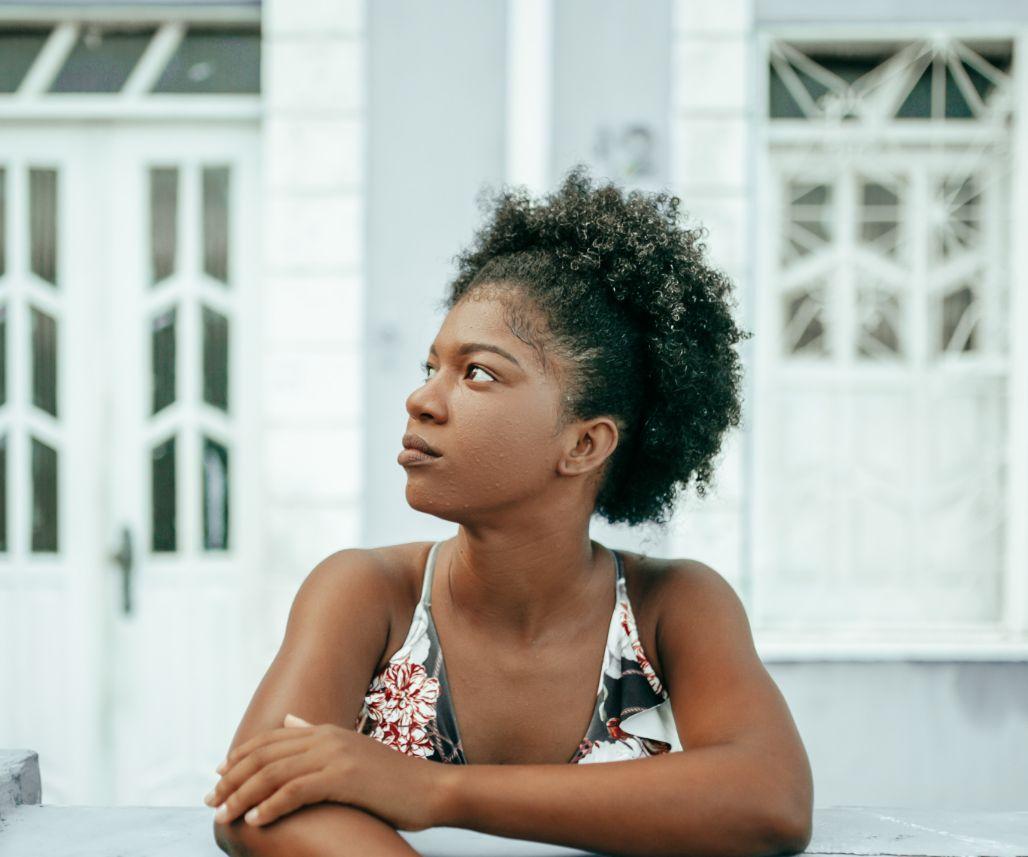
The sun was low in the sky that day. Martha sat on the lowest step, digging the toe of her pink shoe into the earth. She would remember the day in many ways later. She might remember that the sun was very high and almost fried her skin, or that the timing was different, but she would always remember that her aunt came outside to meet her.
“Martha, dear,” her aunt called. “Come have breakfast.”
“No,” little Martha said vehemently. “I don’t want to eat breakfast.”
Her aunt looked up as though she wished to beg the sky for strength. Then she walked down the steps and came to sit beside her niece.
“Your daddy would want you to eat,” she said.
“My daddy is gone,” the little girl said.
“Don’t scrunch up your face like that, baby. Do you want me to cry?” the woman asked, her voice quivering. Martha shook her head.
“I’m sorry about your father. Sorry that he left, Martha. I want you to know he didn’t leave because he wanted to. He left because that’s what old people do. They die.”
“That’s what old people do?” Martha asked, surprised.
“Yes,” her aunt replied.
“How old do I have to get before I die?”
“What? Don’t talk about things like that, okay? Let’s go have breakfast.”
***
“What is this?” Martha asked the delivery man as she took the heavy parcel from him.
“It is from Ms. Hall,” the delivery man replied.
“That doesn’t answer my question,” Martha said.
The delivery man looked at her and, for some reason, smiled. He doffed his helmet and pulled his motorcycle out of her driveway.
“Cheeky fella. What business does my aunt have sending me such a heavy parcel?” Martha said as she locked her front door.
A greeting card, an old dress, a box of jewellery and some papers. Martha counted all the items, dropping them gently onto the sofa beside her.
She opened the jewellery box and exclaimed, “Gosh! What a fortune!” She spent a whole hour lifting each piece of jewellery and admiring it before she realised her mistake. “Why would my aunt send me her prized jewels? I should have read the card first!”
She opened the card, and a piece of paper fell out of it.
“Dear Martha,
My name is Penelope, your aunt’s best friend. I live in West Virginia with my husband, Tommy. I regretfully bring you news of your aunt’s death two weeks ago. She died in her Houston home after a bout of sickness, leaving you all her wealth. However, there is a clause that must be obeyed in her will.
For you to claim your inheritance, you must have evidence of having lived with me for four years and, unavoidably, be twenty-one years old (because you are eighteen now, if I am not mistaken).
The funeral has been scheduled for Thursday the fifth and will be a small one, just as your aunt wished it to be. I will be in attendance with my husband. We are both hoping to meet you.
I ask that you take care of yourself until I can take care of you.
With love,
Your new aunt,
Penelope.”
Martha folded the paper and stuffed it back into the card.
“My new aunt!” she scoffed. “Gosh, this woman has some nerve!” Then she burst into tears.
***
The rain fell in a light drizzle, and everyone except Martha clutched their umbrellas. Martha stood beside her aunt’s grave. She knelt there, staring at the still-soft earth, her tears falling in tandem with the raindrops.
Penelope came and stood beside her. She was a tall Black woman who stood with her back ramrod straight, as though she were a soldier or a man, but Martha could tell she, too, was growing old.
Martha wondered why she had thought the woman was white. Perhaps it was the name Penelope that had deceived her.
“She’s in a better place,” Penelope said.
Martha turned to her.
“Why do you people always say that?” she gasped.
“Because it’s true!”
“It is not! My father died ten years ago. What better place did he have than staying beside me? When my father died, my aunt told me not to fret because old people die. At that time, I saw her as far younger than my dad and hoped that, at least, she would stay with me.”
Martha shook her head in disbelief.
“She couldn’t even wait, could she? Just ten years, and she decides to leave me alone in this world.”
“Shhh! I’m here for you,” Penelope said. There were tears in her eyes. She knelt and drew the young girl to her bosom.
“But for how long?” Martha asked, looking up at the woman’s face.
“Long enough to see you standing on your feet,” Penelope said.
Martha drew away from her.
“Don’t make promises you can’t keep,” she said and walked away.
***
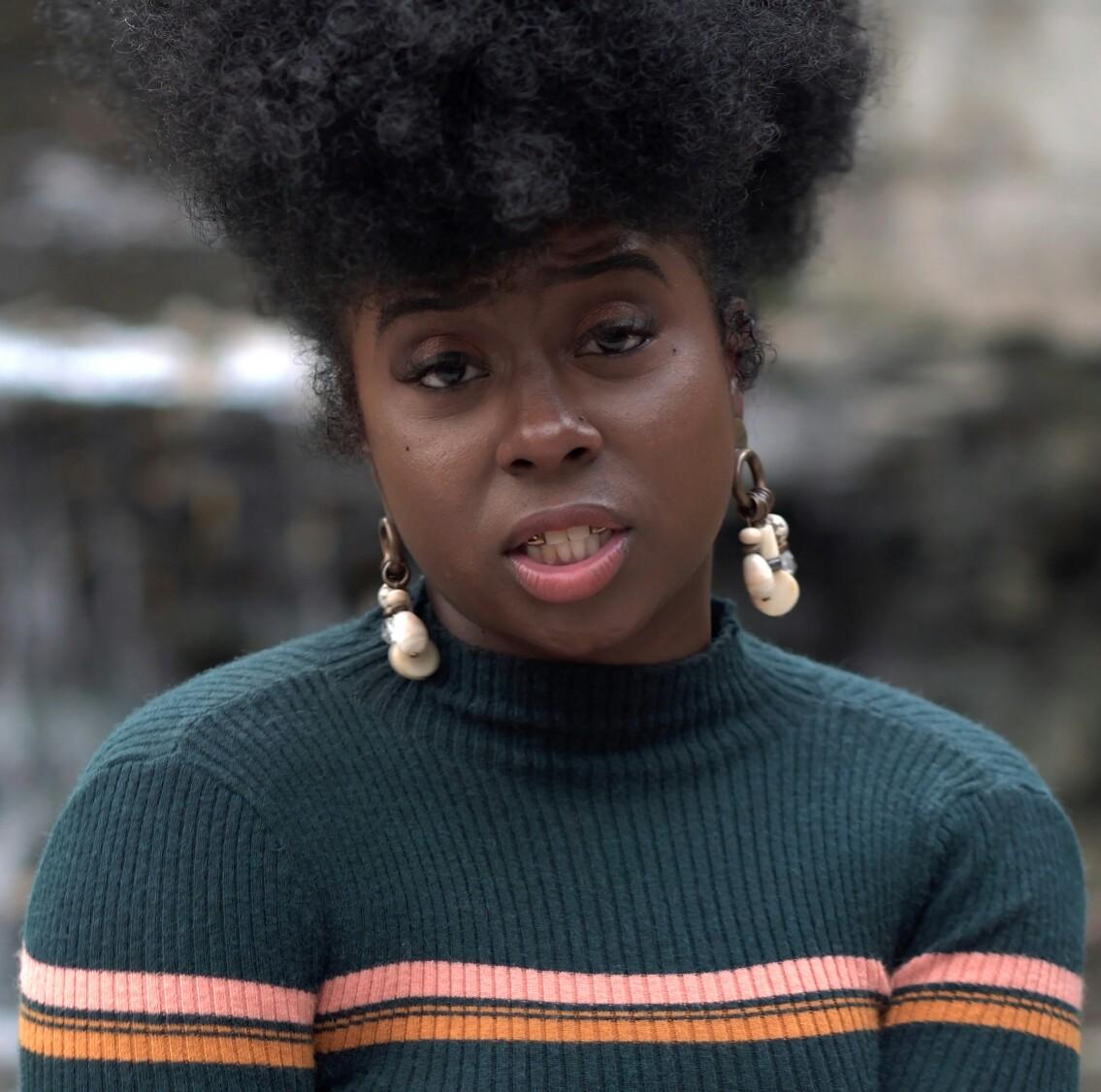
Martha was passed out on the bed when her phone rang. She groped around for a while before finding it.
“What is it!?” she snapped.
“Whoa, whoa, tigress. It’s your boyfriend.”
“What is that?” Martha asked with a sneer on her face. “What does the word ‘boyfriend’ mean?”
“Martha, look, it’s Saturday, and you’re not working. Can we meet somewhere, have some drinks and talk?” the young man pleaded.
“We have nothing to talk about, Dave. You cheated on me. You actually had the nerve!” Martha shouted.
“I’m sorry! Let’s meet and talk, baby. Please,” Dave pleaded.
“I’ve moved on,” Martha said.
“What?”
There was silence because Martha was walking towards the stereo. Loud music came on, and Martha could be heard gasping for breath. Her hurried breathing drowned out the voice on the phone.
“Martha, what the hell!?” Dave shouted before ending the call.
Martha sat up on the floor for the tenth time, her abs flexed and a big smile spread across her face.
“Good riddance,” she thought.
It was late in the afternoon, and Martha was yet to decide what she would do with the day, aside from exercising, doing the laundry and dozing off in bed. Since she had left her aunt Penelope’s house, where daily activities were planned beforehand, she had found it particularly difficult to structure her weekends productively.
She’d picked a house in a suburb that was painted a colour that looked frighteningly like blood. There were four apartments in the house, separated by a short corridor. On Saturdays, when she came back home drunk, she would spend nothing less than thirty minutes touching the walls over and over again to discover if they were really bloody.
Her neighbours paid her no mind and would allow her to pass out on the floor of the corridor. On one occasion, she had heard them laughing at her and realised she wasn’t drunk enough.
After deciding there was nothing else that would be fun, she dressed and went for another evening of drinking, only to come back and stand in the corridor, touching the walls with that same terrible fright on her face.
“Hey! Are you alright?” a voice asked behind her.
Martha turned to see a man standing behind her.
“Yes, I am,” she said so loudly that she almost lost her balance. “There’s blood on the walls, you know. My aunt was too ill to bleed, but Daddy died in a car accident.”
“I’m sorry. But you need to stop thinking about death,” the man said as he walked towards her and lifted her into his arms.
She allowed him to carry her, but when she was up in his arms, she started to squirm and hit his shoulders.
“Put me down! Put me down!”
“Hush!” the man said sternly. “Which is the door to your room?”
Martha pointed to the last door on the left-hand side of the house, and he carried her over there and into the kitchen.
“Come on, let’s get you some water.”
***
“Why do you let yourself get so drunk?” the man asked from the foot of the bed.
Martha groaned and stretched. “You never introduced yourself,” she said.
“I’m Philip.”
“You have the nerve, Philip!” Martha said, getting up from the bed. “How dare you enter my apartment without my consent!? I’m calling the cops on you!”
“Whoa, wait! We both know I didn’t mean any harm,” Philip pleaded.
“Who knows? I feel raped. Who knows if you raped me in the night?” Martha leaned close to him and asked.
His mouth opened and closed. She pointed a finger at his chest, and he tensed up.
“Who the hell are you?” Martha asked.
“I’m Karen’s elder brother,” he replied.
***
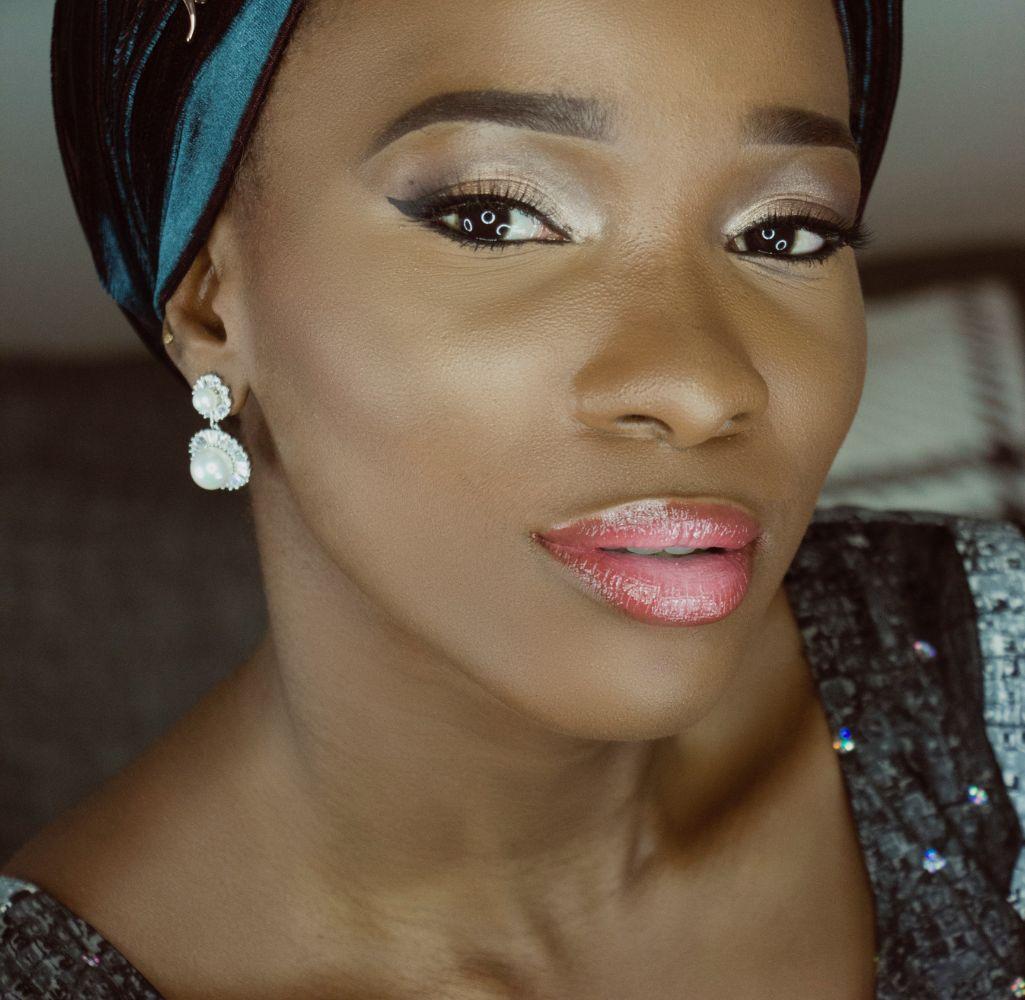
Forty Years Later
Helen dropped the cup she was holding and picked up another one. In a few hours, the party would start, and in another few hours, it would end. She couldn’t wait for that to happen.
“Hello, baby.” Rex wrapped his hand around her waist. “How’s my lollipop doing?”
“I’m good. Have you seen Mom?”
“No, I haven’t.” He put something in her mouth. “Chew!”
The chocolate flavour of the candy washed over her tongue.
“Thanks, baby,” she told him with a kiss. “Could you help me with these cups?”
“Yes.” Rex took the rag from her hands.
Helen was worried. In the past week, her mother had withdrawn into herself. She would sit in the same spot all day, listening to songs about growing old. Aunt Karen had been called to cheer her up, but it only made the old woman more irritable.
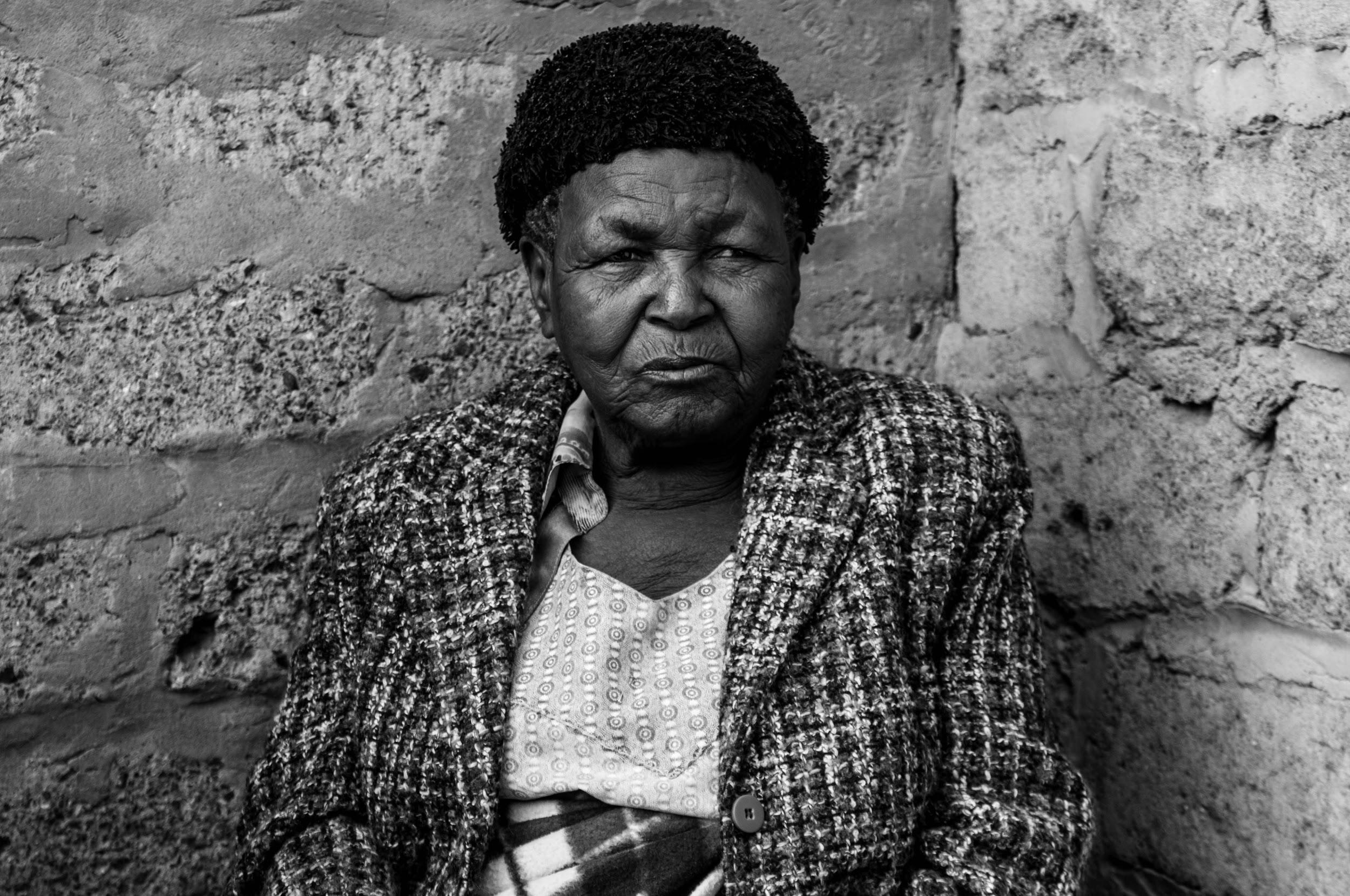
She walked into the master bedroom and found her mother sitting by the window. The old woman was wearing her favourite grey dress. In profile, her double chin was pronounced, and her lips seemed to be quivering.
“Mom?” She strode towards her mother. “Are you okay?”
Her mother’s hands went to her face.
“I’m fine,” she said.
“You’re crying,” Helen observed.
“I’m just so happy,” she said.
But even as she said it, her lips quivered. Helen hugged her tightly.
***
“Happy birthday to the best mom ever!”
“Yayyyyyyy!!”
The crowd laughed and cheered. Others toasted with their drinks. Everyone was at the party: Martha’s former co-workers, people from church, Martha’s age-old friends, and all her children and grandchildren.
They all wore big smiles. Some, however, were weeping, like the celebrant, who seemed to be overcome by something. Happiness? Gratitude?
After the ruckus had died down, she got up to give her speech. Everyone listened with bated breath, out of respect for this strong woman.
“Hello, my family. Whether by blood or by association, you are all precious to me. When I came into this neighbourhood, I had just come out of a life of aimlessness, thanks to the help of Philip, my husband. May his soul rest in peace. I was a bad-tempered Black woman, yet all of you looked beyond my attitude to see the potential in me. I admit some of you were won over by my excellent baking skills, but whatever!
“To my colleagues, I say a big thank you for the peaceful work environment I thrived in for twenty years. I’m here today because, apparently, I am getting old, and there’s a need to celebrate. Yet, when I look around, I see that everyone else is getting old too. A wrinkle here, a squeeze here. Helen here has a baby on the way.”
The crowd oohed. People congratulated an embarrassed Helen.
“My first grandchild, Steven’s child, turns twenty next week. It is sad to realise that growing up is mandatory. I am sixty years old, and the utterance of my age seems heavy on my tongue. Well…”
There was a long, uncomfortable silence. Then she cleared her throat.
“Thank you all for showing me so much love! Enjoy the party!”
The speakers blared. Martha stepped down from the dais and began walking towards the house.
Two weeks later, Martha was painting her room when her daughter stepped in. The windows were thrown wide open, and outside were the sun and the gentle breeze. The wind ruffled the hair that fell around her small shoulders, and she was gently humming to herself.
“Mother!” Helen cried out, striding towards the older woman.
“Hello, my dear,” Martha said in a low, calm voice.
“Why are you doing this?” Helen asked, gesturing towards the newly painted pink walls and her mother’s dress. “And on your favourite dress, too!”
“I needed to do it.”

“What do you mean you needed to do it?” Helen asked.
“The walls are too grey.”
“What do you mean?” Helen asked.
She was leaning in so close that Martha felt suffocated.
“Get off me!” she said, throwing the brush down and walking away.
A drop of paint splattered onto Helen’s cheek, and she stood there, dumbfounded, staring after her mother.
Then she picked up her phone and called Steven. His phone rang for a while before going to voicemail.
The last time she had seen him was at the hospital, when he had received his cancer diagnosis and begged her not to tell Mother. Though she suspected he might be at the hospital, she tried calling him twice more. She was about to try a third time when she saw Martha standing at the door.
“Anything you need, Mom?” Helen asked.
“No. Come,” Martha said.
She walked into the kitchen, and her daughter followed closely behind her.
“Are you okay?” Helen asked.
“Why? Do you think I must be sick because I’m now old?” Martha snapped.
“Mom! You’re just sixty! You shouldn’t be thinking about sickness and death,” Helen begged.
“Your father died when he was fifty-five,” Martha said.
“I know, but you’re made of sterner stuff,” Helen replied.
“Indeed.”
“I see you living till you’re one hundred and fifty,” Helen said with a smile.
“Oh, shush! Wake up! This is America, not China!”
***
“Daddy, please, don’t die on me. Please, please!”
“Mom! Wake up!” Helen said as she grabbed her mother’s shoulders.
“I’m awake. Get me a glass of water,” Martha said after a while.
When Helen returned, she asked her to sit down.
“I have been having nightmares,” Martha said.
“About what?” Helen asked.
“Everyone dying all over again. Your grandfather, your grandaunties and your father.”
“I’m so sorry you have to go through that.”
“I believe I’m going to die very soon, Helen.”
“Don’t say that, Mom.”
“I can’t help thinking about death, child. I have outlived so many of my loved ones. I keep waiting for my turn, you know,” Martha said.
“You need to rest, Mom,” Helen said, gently pushing her mother down so that she leaned back on the bed.
Her face was as pale as a sheet. Helen already knew that her mother would need to go to the hospital soon. She could already see how growing old was poisoning her body and killing her mind.
Years ago, her mother had told her the story of her father’s death and how she had tried to stop thinking about death every day. She knew it would be hard for her mother to fight through the cloud of that trauma.
Yet, who gives up on a survivor who has outlived all her ancestors, the love of her life, and might very well outlive her eldest son?
***
Helen sat beside her mother for a long time, watching her sleep. She wondered how a woman who had spent most of her life trying to escape the thought of death had somehow ended up living in its shadow.
When Martha finally opened her eyes, Helen was still there.
“Have you called Steven?” Martha asked.
“Not yet, Mom. I’ll try him again.”
“Don’t let him keep things from me, Helen. I’m his mother. Whatever happens, I want to know.”
Helen nodded and held her mother’s hand.
“Mom?”
“Hmm?”
“You know you don’t have to be afraid, right?”
Martha turned to look at her daughter. For a moment, she said nothing.
“I’m not afraid of dying, Helen. I’m afraid of leaving. I’m afraid of waking up one morning and finding that everyone I love is gone, or worse, that I am the one who has to leave them behind.”
Helen squeezed her hand.
“I know, Mom.”
Martha looked towards the window. The afternoon sun was beginning to fade, casting long shadows across the room.
“When I was little, I asked my aunt how old I had to get before I died. She wouldn’t answer me. I suppose she didn’t know either.”
Helen smiled faintly. “Nobody knows, Mom.”
“I know,” Martha whispered.
For the first time in a long while, she didn’t try to calculate how many years she had left or how many birthdays she might still celebrate. She simply watched the evening settle over the garden.
Perhaps growing old was not just about watching the people you loved leave. Perhaps it was also about learning to appreciate those who were still here.
“Stay with me a little while, Helen.”
“Of course, Mom.”
And Helen stayed.

What's Your Reaction?
