
10 Ways To Treat Hirsutism and Facial Hair in Females


Table of Contents
Ever glanced in the mirror and spotted unexpected facial hair along your jawline? If you’re worried about what this means for you as a woman, rest assured you’re not alone. These extra hairs might indicate a common condition called hirsutism, which affects many women and has no bearing on your femininity or womanhood.
What is Hirsutism?
Hirsutism refers to the growth of excess coarse, dark hair in women following a typically male pattern distribution. Unlike the fine, light hair normally covering most of the female body, hirsutism produces thick hair in areas such as the face, neck, chest, abdomen, lower back, buttocks, and thighs. This common dermatological condition affects approximately 5 to 15% of women of reproductive age globally.
Causes of Hirsutism
In the female body, both “androgens” and “estrogen” are produced, but in different proportions than in males. Women naturally produce small amounts of androgens in their ovaries and adrenal glands, while estrogen is produced in higher quantities (the reverse is true in males).
Estrogen contributes to the fine, soft body hair typically seen in women. Androgens, however, promote masculine characteristics including facial and coarse body hair.
Hirsutism develops when women produce excessive androgens. These elevated levels can cause not only increased hair growth but also other masculinizing symptoms such as acne, voice deepening, and reduced breast size.
Interestingly, some women experience hirsutism despite normal androgen levels due to heightened follicle sensitivity, where hair follicles respond more strongly to even typical amounts of male hormones.
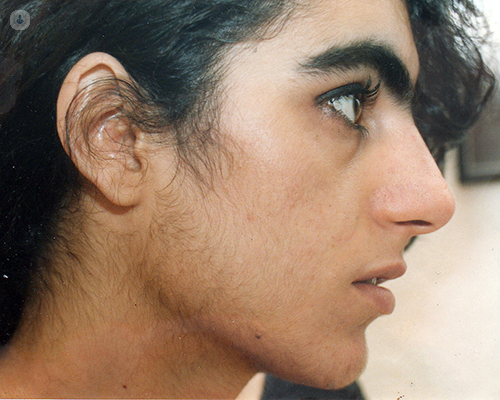
Risk Factors for Hirsutism
There are several possible reasons for high levels of androgens and some of them include;
- Polycystic Ovary Syndrome (PCOS): The predominant cause of hirsutism, accounting for approximately two-thirds of all cases. PCOS affects the ovaries, leading to the formation of small fluid-filled sacs or cysts. This condition disrupts normal hormonal balance and typically presents with additional symptoms beyond excess hair growth, including acne and menstrual irregularities.
- Cushing’s Syndrome: A condition where your body makes too much of the stress hormone cortisol over a long time.
- Tumours: Small growths on the adrenal glands or ovaries that can cause these organs to produce extra hormones, leading to excess hair growth.
- Medication Side Effects: Some medications, especially those containing hormones like steroids, hair-growth treatments (minoxidil), or certain hormone therapies (danazol), can trigger unwanted hair growth as a side effect.
- High Insulin Levels: When insulin (the hormone that controls blood sugar) is too high in your body, it can signal your ovaries to make more male hormones, resulting in extra hair growth.
- Congenital Adrenal Hyperplasia: A condition you’re born with that affects the adrenal glands, causing them to make too much male hormone.
- Menopause: The natural decline in female hormones during menopause can sometimes lead to an imbalance that causes extra hair growth in women.
- Idiopathic Hirsutism: Sometimes doctors can’t find any specific reason for the excess hair growth, it just happens without an identifiable medical cause.
PS: If you have lighter, finer hair on your face or body, it’s probably not hirsutism. Most women get more of this type of hair as they get older, particularly after menopause.
Risk Factors for Hirsutism
The primary risk factor for hirsutism is gender, as it predominantly affects women. Other factors that can increase the likelihood include:
- Family History: Hirsutism can run in families, either as “familial hirsutism” or through inherited conditions that affect hormone balance.
- Ethnic Background: Women with Mediterranean, Hispanic, South Asian, or Middle Eastern heritage naturally tend to have more body hair.
- Weight: Being overweight (BMI of 25 or higher) can lead to higher levels of male hormones in the body. This happens because fat tissue can convert cholesterol into androgens (male hormones), potentially triggering excess hair growth.
The Emotional Impact of Unwanted Hair Growth
Living with excessive hair growth can take a significant emotional toll. Research shows that women dealing with this condition often experience greater psychological distress compared to the general population.
Many women report heightened anxiety, social discomfort, and concerns about interpersonal relationships. Studies have found that the quality of life impact can be comparable to that experienced by people with visible skin conditions like eczema or psoriasis.
Research reveals some troubling patterns: women with this condition often describe feeling “unfeminine” or “abnormal.” One study found that women spent an average of 104 minutes each week managing facial hair, with two-thirds constantly checking mirrors and 76% checking by touch. A concerning 40% reported feeling uncomfortable in social situations.
The emotional burden is substantial, with 30% of women experiencing clinical levels of depression and 75% of them reporting significant anxiety. Nearly one-third suffered from both conditions simultaneously.
While overall quality of life measures often appear adequate, scores specifically related to social and relationship areas tend to be lower, highlighting how deeply this condition can affect a person’s social well-being.
Adding to this burden is the fact that many treatment options are temporary and require ongoing maintenance. This creates not only a time commitment but also a financial one, further intensifying the stress experienced by those affected.
10 Ways To Treat Hirsutism and Facial Hair in Females
There are several ways to manage excessive hair growth, ranging from lifestyle changes to temporary solutions and even permanent treatments.
1. Weight management: Since carrying extra weight can contribute to increased hair growth, taking active steps to maintain a healthy weight through a balanced diet and regular exercise may help reduce the body’s production of hair-growth hormones.
2. Shaving: This is one of the easiest and most affordable options. For a smoother experience when shaving sensitive areas like the chin, use a sharp razor, shave in the direction of hair growth, apply lubricating shaving cream, exfoliate beforehand, and finish with a soothing aftershave. Daily shaving may be necessary to avoid stubble.
3. Tweezing or threading: These methods remove hair from the root. With tweezers, you can pluck individual hairs, while threading uses a twisted cotton thread to catch and remove multiple hairs at once. The downside is that both methods can cause discomfort and temporary redness.
4. Waxing: This quick method removes hair from the roots and is typically done in salons. Warm wax is applied to the skin and then quickly pulled off, removing unwanted hair. Like tweezing, this can cause temporary pain and redness.
5. Hair removal creams: These products contain chemicals that break down hair, allowing it to be wiped away easily. While painless, these creams can irritate sensitive skin, so it’s wise to test on a small area first.
6. Electrolysis: This permanent solution uses an electric current to target hair at the root. After multiple sessions, hair should stop growing in treated areas.


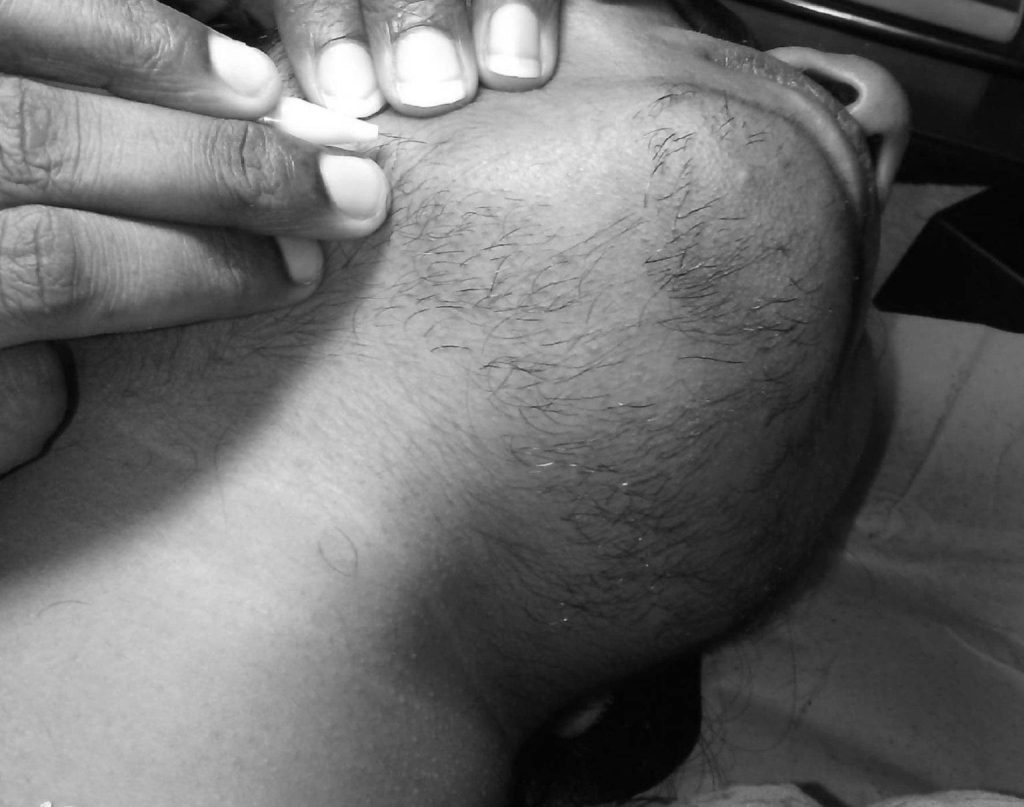
7. Laser hair removal: Another long-term option that targets hair at the root. While considered permanent, some hair may eventually grow back, though typically finer and lighter.
8. Prescription treatments: Various medications can alter hair growth patterns, though hair will return when treatment stops. Options include hormone-balancing medications and others that influence the body’s hair growth processes. Some may have side effects and should only be used under medical supervision.
9. Eflornithine cream: This facial treatment slows hair growth when applied regularly, typically around the lips or under the chin. It works by blocking a natural substance in hair follicles needed for growth.
10. Bleaching products: While they are not removing hair, these lighten its colour, making it less noticeable and potentially more aesthetically pleasing.
Excessive body and facial hair can be an ongoing challenge. Most women who’ve been diagnosed with hormone imbalances typically respond well to treatment, but hair can return if hormone levels fluctuate again. The duration of the treatment journey depends on both the underlying cause and the chosen methods. Some approaches may require ongoing maintenance, while others offer more lasting results.
Technologies like laser hair removal and electrolysis can provide longer-lasting solutions compared to temporary methods such as shaving, waxing, or hair removal creams. However, even with these more advanced treatments, some people may need occasional maintenance sessions.
How you choose to manage this condition ultimately depends on your personal preferences, budget, and the specific factors contributing to your situation.
When to Seek Professional Help
If you notice symptoms of excessive hair growth, it’s important not to self-diagnose or attempt to manage the condition on your own. Consulting with healthcare professionals can help determine the underlying cause and establish the most appropriate treatment plan.
Several specialists can provide valuable guidance:
- Your family doctor or GP can perform initial assessments and refer you to specialists if needed.
- A dermatologist specializes in skin and hair conditions.
- An endocrinologist can evaluate and treat hormone-related issues that may be causing excessive hair growth.
- A gynaecologist may help identify and address reproductive health factors that could contribute to the condition.
- A dietitian can provide nutrition guidance that may help manage certain underlying causes.
- A beautician can offer cosmetic solutions for hair management while you address the root causes.
Professional evaluation ensures you’re addressing not just the visible symptoms but also any underlying health conditions that may require medical attention.

What's Your Reaction?