
10 Warning Signs of Breast Cancer Every Woman Should Know

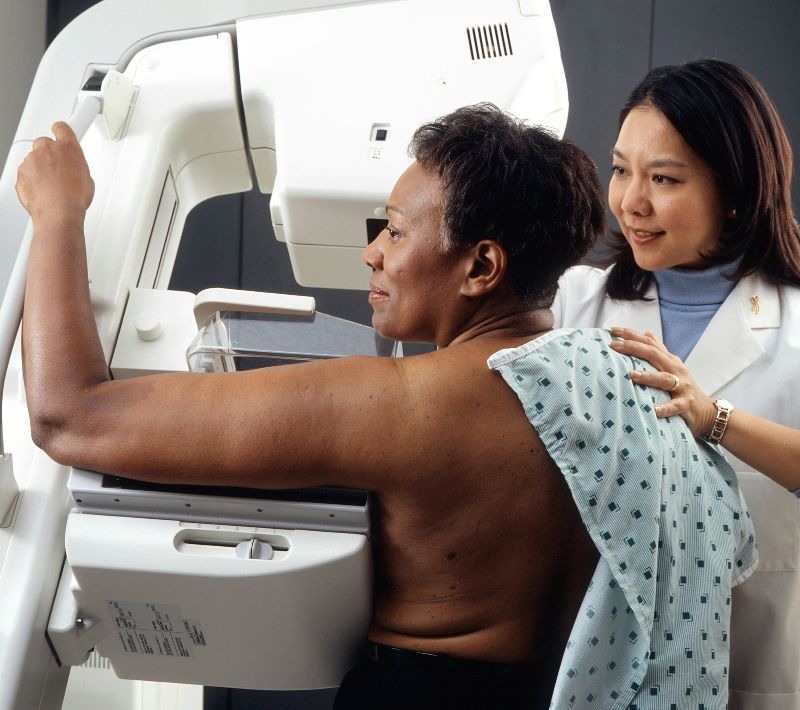
Breast cancer is a significant health concern for women worldwide, including black women in Africa and the diaspora. Detecting breast cancer early can greatly improve treatment outcomes and understanding the warning signs is crucial for early detection and intervention.
So, in this article, we’ll be discussing some of the physical changes your body may start showing before you decide to get checked at the hospital.
Note: Any advice given in this post should not be taken as expert opinion, so you still need to get yourself checked at the hospital for professional diagnosis and treatment.
That said, here are 10 warning signs of breast cancer every woman should be aware of:
10 Clear Warning Signs of Breast Cancer

1. Changes in Breast Size or Shape
Detecting changes in breast size or shape is crucial for identifying potential signs of breast cancer. While it’s normal for breasts to change due to factors like puberty, pregnancy, and aging, sudden or significant alterations unrelated to these factors should raise concern.
These changes may manifest as asymmetry between breasts, noticeable distortion in breast shape, or visible abnormalities such as dimpling or puckering of the skin. You may also notice changes in the position of the nipples, with one nipple appearing higher or lower than the other.
You need to self-examine your body regularly to know when changes start to occur. Same with your breasts.
Regular self-examinations are essential for you to become familiar with your breasts’ normal appearance and quickly identify any deviations. By examining your breasts visually and through touch, you can detect changes early and seek medical attention promptly if needed.
Seeking medical evaluation promptly upon noticing such changes enables timely intervention and diagnosis, which will potentially improve treatment results.
Note: Any concerns regarding changes in breast size or shape should be discussed with a healthcare professional to determine the appropriate course of action to take and ensure your peace of mind.
2. Breast Pain or Discomfort
Breast pain, although common, can occasionally indicate underlying health issues, including breast cancer. Distinguishing between cyclic and non-cyclic breast pain is vital for accurate assessment. While cyclic breast pain often links with your menstrual cycle and is typically mild, persistent or non-cyclic pain should prompt further investigation.
Look out for factors such as intensity, duration, and associated symptoms like swelling or nipple discharge as they can provide valuable insights into the pain’s underlying cause. In some cases, breast pain may radiate to the armpit or extend to the shoulder and arm. This discomfort can range from mild to severe, affecting your daily activities and quality of life.
It’s important to pay attention to any changes in breast sensation and discomfort, especially if they persist beyond your menstrual cycle or are accompanied by other symptoms.
Note: Any unexplained or prolonged discomfort warrants consultation with a healthcare professional to rule out serious conditions and ensure appropriate management.
3. Nipple Changes
Changes in nipple appearance or function can serve as important indicators of breast health. Nipple inversion, retraction, or discharge, especially when abnormal or spontaneous, may signify underlying issues, including breast cancer.
While nipple discharge is sometimes normal, particularly during pregnancy or breastfeeding, unusual characteristics like bloodiness or discharge without manipulation warrant investigation. Moreover, alterations in nipple texture, colour, or sensitivity should not be overlooked, as they may accompany other concerning symptoms.
Women at risk may notice changes in nipple shape, with one nipple appearing flattened or turned inward. Additionally, the skin around the nipple, known as the areola, may become dimpled or puckered, resembling the peel of an orange.
If you are experiencing any of these, you need a prompt evaluation by a healthcare provider for accurate diagnosis and timely intervention, which will potentially influence treatment outcomes positively.
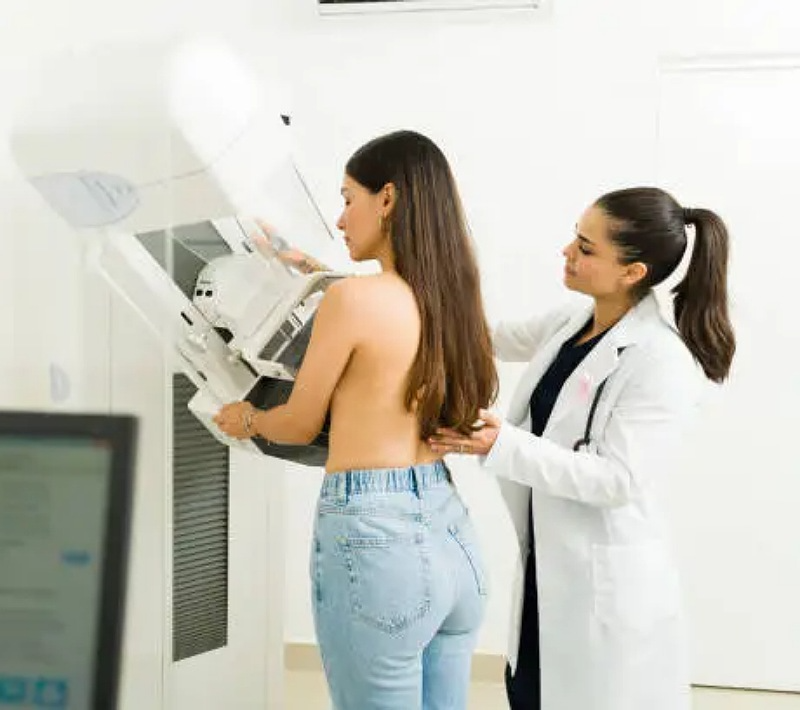
Through clinical examination and imaging tests like mammograms or ultrasounds, healthcare professionals can determine the cause of nipple changes and provide appropriate guidance and treatment.
4. Breast Lumps or Thickening
The presence of a lump or thickening in the breast tissue is one of the most common signs of breast cancer.
While not all lumps are cancerous, it’s essential to have any new or unusual lumps examined by a healthcare professional. These lumps may vary in size and texture, ranging from small, firm nodules to larger, irregular masses.
Women at risk of breast cancer may notice a distinct change in the feel of their breast tissue, with areas that feel thicker or denser than usual. These changes may be detected during self-examinations or by a healthcare provider during a clinical breast exam.
It’s crucial to pay attention to any persistent or progressive lumps or thickening, as they may indicate underlying issues that require further evaluation.
In some cases, breast lumps may be accompanied by other symptoms, such as changes in breast size or shape, nipple discharge, or skin changes. Any new or unusual breast lumps should be promptly evaluated to determine their cause and appropriate management.
Again, early detection and intervention are key to improving treatment outcomes and ensuring optimal breast health.
5. Skin Changes
Changes in the skin over the breast or nipple area can also point at signs of breast cancer. These changes may include redness, dimpling, puckering, or thickening of the skin. Some women may notice an orange-peel texture or ridges on the skin’s surface, resembling the peel of an orange.
Skin changes may be subtle at first but can become more noticeable over time. It’s essential to pay attention to any alterations in the skin’s appearance or texture, as they may signify underlying issues that require medical evaluation. These changes may occur suddenly or develop gradually, and they may affect one or both breasts.
In addition to changes in texture, women may notice changes in skin colour, with the affected area appearing redder or darker than usual. Any unexplained changes in the skin should prompt further evaluation by a healthcare provider for proper maintenance of breast health.
6. Swelling or Irritation
Persistent swelling, redness, or irritation in the breast tissue or nipple area can be warning signs of breast cancer. While these symptoms can also be caused by other conditions, such as infection or inflammation, it’s essential to rule out breast cancer through proper medical evaluation.

Swelling may be localized to a specific area of the breast or affect the entire breast. In some cases, women may notice an increase in breast size or a feeling of heaviness or fullness. Redness or warmth in the breast tissue may accompany swelling, indicating inflammation or infection.
Skin irritation over the breast or nipple area may manifest as itching, burning, or tenderness. If the irritation persists even after using home remedies or topical treatments, you should get your breasts evaluated by a healthcare professional for optimal breast health.
Any changes in breast appearance or sensation, including swelling or irritation, should be thoroughly assessed to determine the underlying cause.
7. Changes in Breast Texture
Changes in the texture of the breast tissue can indicate underlying issues, including breast cancer.
Some women may notice areas of thickened tissue or a change in the texture of the skin, resembling the texture of an orange peel. This texture change, known as peau d’orange, occurs due to the buildup of fluid in the breast tissue, causing the skin to appear dimpled or pitted.
In addition to peau d’orange, women may observe other texture changes, such as increased firmness or lumpiness in the breast tissue. These changes may be detected during self-examinations or by a healthcare provider during a clinical breast exam.
It’s essential to pay attention to any persistent or progressive changes in breast texture, as they may indicate underlying issues that require further evaluation.
Any new or unusual changes in breast texture should be promptly evaluated by an experienced healthcare professional to determine their cause and appropriate management for optimal breast health.
8. Axillary Lymph Node Enlargement
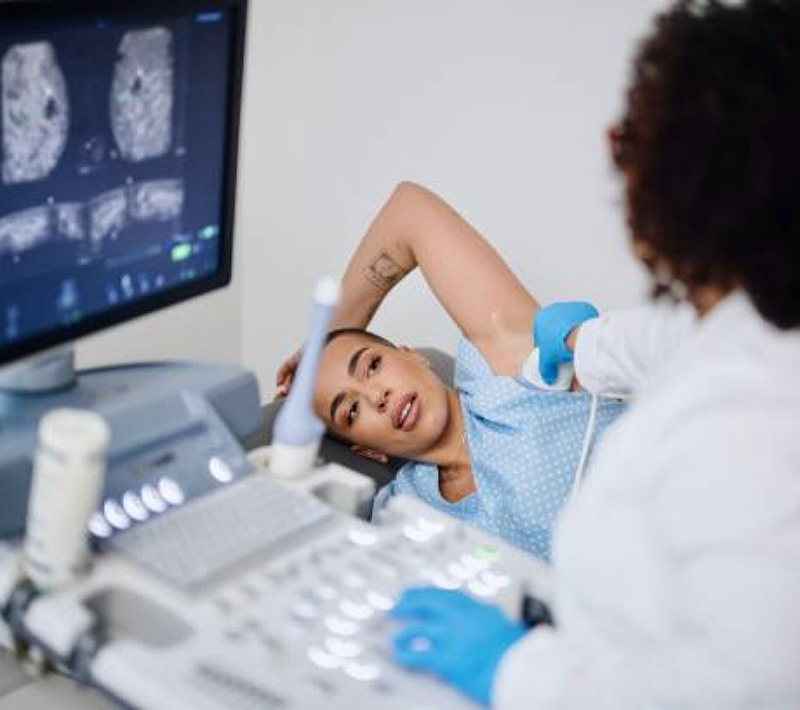
The presence of enlarged lymph nodes in the armpit area, known as axillary lymph nodes, can be a warning sign of breast cancer. Lymph nodes may become enlarged and tender if breast cancer cells spread to nearby lymph nodes through the lymphatic system.
Women may notice swelling or a lump in the armpit area, which may or may not be accompanied by pain or discomfort. Enlarged lymph nodes can sometimes be felt during self-examinations or detected by a healthcare provider during a physical examination.


While swollen lymph nodes can also be caused by other conditions, such as infection or inflammation, it’s essential to have any persistent enlargement evaluated by a healthcare professional.
Additional tests, such as imaging studies or biopsy, may be necessary to determine the cause of lymph node enlargement and rule out breast cancer or other serious conditions.
Prompt evaluation and diagnosis allow for timely intervention and appropriate management, potentially improving treatment outcomes and ensuring optimal breast health.
Any concerns regarding enlarged lymph nodes should be discussed with a healthcare provider to determine the appropriate course of action for treatment.
9. Changes in Breast Sensation
Changes in breast sensation, such as numbness, tingling, or increased sensitivity, can be a warning sign of breast cancer. These changes may occur in one or both breasts and may be accompanied by other symptoms, such as pain or discomfort.
If you’re experiencing numbness or tingling sensations, it may indicate nerve compression or damage, which can occur if breast cancer affects nearby nerves.
Increased sensitivity or heightened awareness of breast sensations may also be a sign of underlying issues, including breast cancer.
Generally, women may notice changes in sensation during activities like touching or breastfeeding, or they may experience spontaneous sensations without external stimulation.
However, any unexplained changes in breast sensation should be discussed with a healthcare professional to determine the underlying cause and ensure optimal breast health.
Any concerns regarding changes in breast sensation should be promptly addressed to rule out serious conditions and ensure peace of mind.
10. Family History of Breast Cancer
A family history of breast cancer can increase a woman’s risk of developing the disease.
Women with a first-degree relative (parent, sibling, or child) who has been diagnosed with breast cancer may have a higher risk themselves.
Additionally, having multiple relatives on the same side of the family with breast cancer can further elevate the risk. This is why it is essential for women to be aware of their family health history and to discuss it with their healthcare provider.
Genetic counselling and testing may be recommended for women with a significant family history of breast cancer to assess their risk factors.
Understanding your family’s history allows you to take proactive steps to manage your breast health. This may include more frequent screenings, such as mammograms or breast MRIs, and adopting lifestyle changes to reduce overall risk.
By understanding your risk factors and taking appropriate preventive measures, you can empower yourself to prioritize your breast health and potentially reduce your risk of developing breast cancer in the future.
Conclusion
Being aware of the warning signs of breast cancer is crucial for early detection and treatment. While some symptoms may be caused by benign conditions, it’s essential not to ignore any changes in breast health.
Regular self-exams, clinical breast exams, and mammograms are important tools for breast cancer screening. If you notice any of these warning signs or have concerns about your breast health, don’t hesitate to seek medical attention.
Early detection saves lives!
Cover image is gotten from Unsplash.com
What's Your Reaction?