
Ebola Outbreak in Abuja, Nigeria: Latest News, Symptoms and Prevention

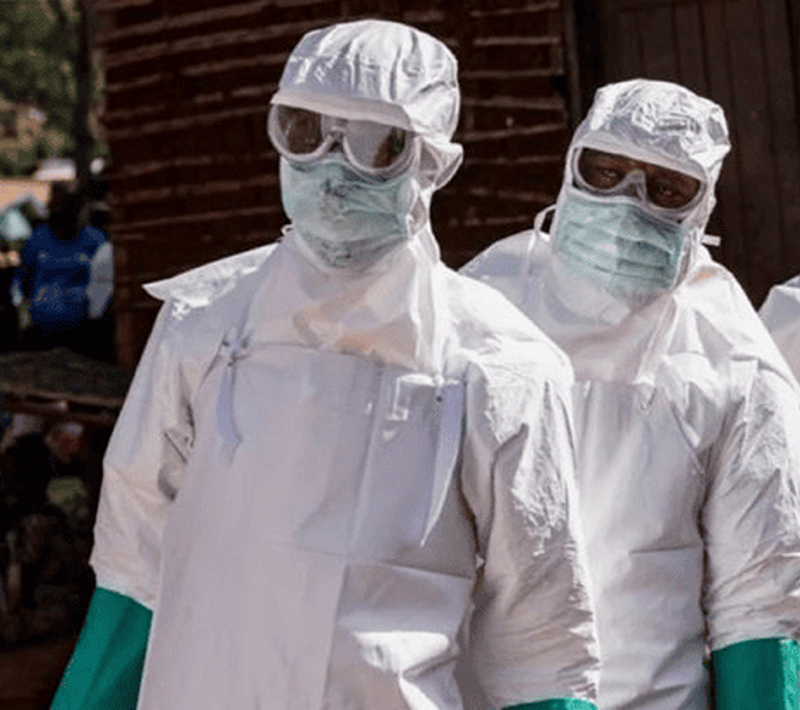
Ebola Outbreak in Abuja, Nigeria
Nigeria has confirmed an imported case of Ebola virus disease in the Federal Capital Territory (FCT), raising concerns about public health preparedness and the risk of further transmission. The Federal Ministry of Health and Social Welfare confirmed the case on October 20, 2026, after laboratory tests detected the Bundibugyo virus in a woman with a recent travel history involving Uganda. Authorities have begun contact tracing and other containment measures to prevent further spread.
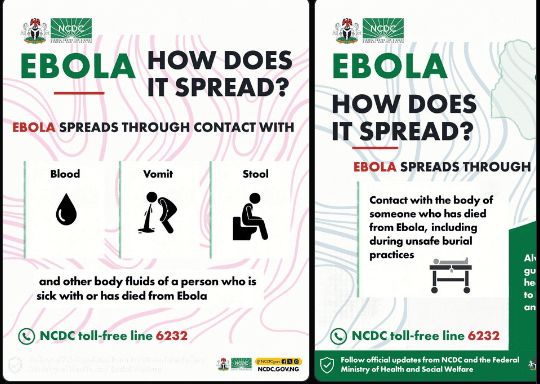
What Is Ebola Virus Disease?
Ebola virus disease (EVD) is a severe and potentially life-threatening illness caused by viruses belonging to the Ebolavirus group. Unlike the coronavirus, it can spread through direct contact with the blood, bodily fluids or contaminated materials of an infected person, particularly after symptoms develop. Certain wildlife exposures can also transmit the virus to humans.
Ebola can cause fever, fatigue, muscle pain, vomiting and diarrhoea. Although there is no approved specific treatment for every type of Ebola virus, early medical care and supportive treatment can improve a patient’s chances of survival. Prevention, early detection and effective infection control remain essential in limiting outbreaks.
Ebola Outbreak in Abuja: What Happened?
According to the World Health Organisation (WHO), Nigeria confirmed one imported case of Ebola Bundibugyo virus disease in Abuja on October 20, 2026. The patient reportedly developed symptoms on October 7, four days after arriving in Nigeria, and sought treatment at a private hospital on October 11. Laboratory tests subsequently confirmed the infection.
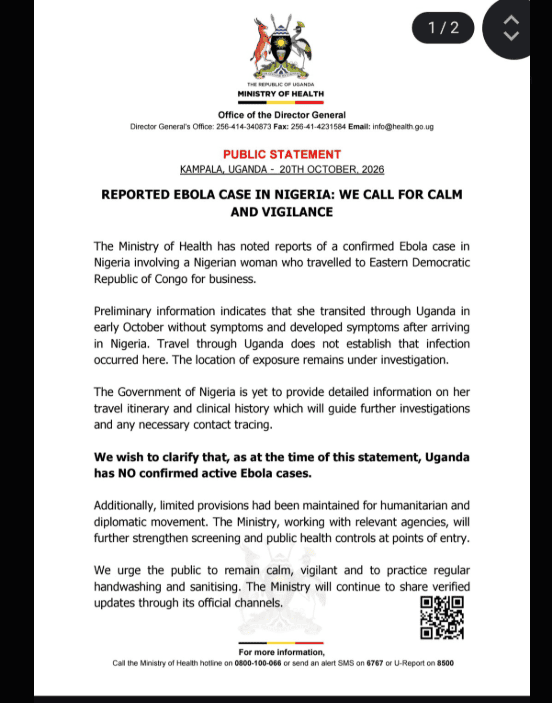
The woman had a recent travel history involving Uganda and had reportedly travelled from the Democratic Republic of the Congo (DRC). However, investigations are ongoing to establish her complete travel history and determine where she contracted the virus.
Ugandan authorities clarified that the woman had passed through the country and had not shown symptoms while there. The source of her infection has not been conclusively established.
Nigeria Begins Ebola Contact Tracing
Following confirmation of the case, the Federal Ministry of Health and Social Welfare and the Nigeria Centre for Disease Control and Prevention (NCDC) intensified efforts to contain the infection.
According to the Federal Government’s October 20 announcement, 44 close contacts had been identified for monitoring. These include people who may have been exposed to the patient, such as healthcare workers, caregivers and other contacts.
Public health teams are working to identify additional potential contacts, strengthen infection prevention measures at the hospital and monitor anyone who may have been exposed. The effectiveness of these measures will be important in preventing further transmission.
Congo Ebola Outbreak: What Is the Bundibugyo Virus?
The Abuja case comes amid an ongoing outbreak of Bundibugyo virus disease in the Democratic Republic of the Congo. The outbreak was declared on May 15, 2026, and has resulted in thousands of confirmed cases and deaths.
According to WHO data published on October 23, the DRC had reported 9,704 confirmed cases and 4,687 deaths as of October 20. The outbreak has affected several provinces, prompting continued surveillance and response efforts.
The Bundibugyo virus is one of the viruses that can cause Ebola disease. Determining whether the Abuja patient contracted the infection in the DRC will depend on the outcome of ongoing investigations into her travel and exposure history.
Ebola Patient Evacuated from Abuja to Switzerland
In a major development on October 26, 2026, Nigeria’s Coordinating Minister of Health and Social Welfare, Professor Muhammad Ali Pate, confirmed that the country’s index Ebola patient had been medically evacuated from Abuja to Switzerland for further treatment.
In a statement shared on X, Pate said the evacuation took place earlier that morning with his approval. He explained that the patient had shown significant clinical improvement and was stable, conscious and able to communicate. Her laboratory test results were also approaching baseline levels.
However, the minister cautioned that the patient’s improved condition did not necessarily mean she was no longer infectious. He confirmed that strict public health protocols were followed during the evacuation.
The patient’s spouse accompanied her to Switzerland and was reportedly asymptomatic at the time of departure. Pate commended the Nigerian healthcare workers who treated the patient and the public health teams who coordinated the medical evacuation.
According to subsequent reports citing the World Health Organisation (WHO), the patient and her spouse were transferred to Switzerland, where the patient would continue receiving medical care and her spouse would be monitored. Nigeria, meanwhile, would continue monitoring the other identified contacts linked to the case.
The evacuation marks an important development in Nigeria’s response to the imported Ebola case. However, health authorities have stressed that the transfer does not mean surveillance and containment efforts can stop. Continued contact tracing, public health monitoring and cooperation with official health advisories remain essential to preventing further transmission.
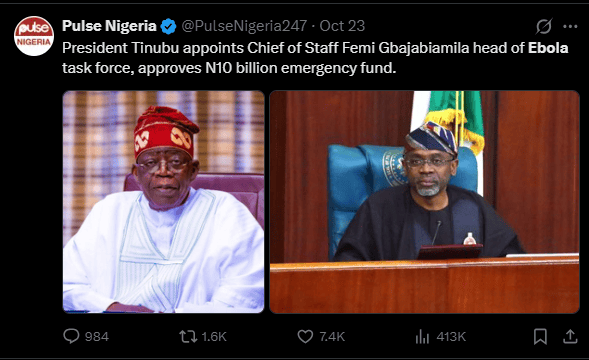
Nigeria’s 2014 Ebola Outbreak and Dr Ameyo Adadevoh
Nigeria previously contained an Ebola outbreak in 2014 after the virus was introduced by Liberian-American Patrick Sawyer, who arrived in Lagos in July of that year.
Dr Ameyo Stella Adadevoh, a Nigerian physician, played a crucial role in the response. Despite pressure to release Sawyer from the hospital, she maintained the necessary precautions and helped prevent further exposure. She later contracted Ebola and died in August 2014.


Nigeria recorded 20 Ebola cases, including one probable case, and eight deaths during the outbreak. The country was officially declared Ebola-free by WHO on October 20, 2014, after successfully interrupting transmission.
Her contribution remains an important reminder of the role healthcare workers play in protecting public health during disease outbreaks.
How Do You Know If You Have Ebola?
Ebola symptoms typically develop between two and 21 days after exposure. Early symptoms may resemble those of other illnesses, making medical assessment important when exposure is possible.
Common symptoms include:
- Sudden fever
- Extreme fatigue and weakness
- Severe headache
- Muscle and joint pain
- Sore throat
- Vomiting
- Severe diarrhoea
- Abdominal pain
- Unexplained skin rash
- Loss of appetite
In severe cases, the disease can cause organ dysfunction, shock and bleeding. Not every infected person develops all these symptoms.
Anyone who develops compatible symptoms after possible exposure should seek urgent medical assessment and inform healthcare workers about their travel history and potential contact with an infected person.
How to Prevent Ebola Virus Infection
Preventive measures can help reduce the risk of transmission during an outbreak. Nigerians are advised to follow official health guidance and take the following precautions:
- Practise regular hand hygiene: Wash your hands with soap and water or use an appropriate alcohol-based hand sanitiser.
- Avoid contact with bodily fluids: Do not touch the blood or other bodily fluids of a suspected or confirmed case.
- Avoid contaminated materials: Do not handle clothing, bedding or other items that may have been contaminated by an infected person.
- Follow safe food practices: Avoid handling or consuming wild animals found dead or appearing sick, and follow official food-safety advice.
- Seek medical attention early: Report possible exposure and symptoms promptly to healthcare professionals.
- Follow official advisories: Rely on updates from the NCDC, the Federal Ministry of Health and WHO rather than unverified social media claims.
There is no need to panic or stigmatise people because of their nationality or travel history. Public health decisions should be based on evidence and professional guidance.
Conclusion: What Nigeria Needs to Do Next
The confirmed Ebola case in Abuja highlights the importance of early diagnosis, effective contact tracing and transparent communication during a public health emergency. Nigeria’s experience in 2014 demonstrated that a coordinated response, supported by healthcare workers and public cooperation, can help contain an outbreak.
As investigations continue, authorities must maintain surveillance, support exposed contacts and provide regular, accurate updates to the public. Citizens can contribute by practising good hygiene, avoiding contact with potentially infectious bodily fluids and seeking medical advice promptly after a possible exposure.
Above all, Nigerians should remain calm, avoid spreading unverified information and follow official guidance. Timely reporting, responsible public behaviour and a coordinated public health response will be essential to limiting transmission and protecting communities across the country.
What's Your Reaction?
