
Why Africans No Longer Value Traditional Marriage: Decline in Cultural Values

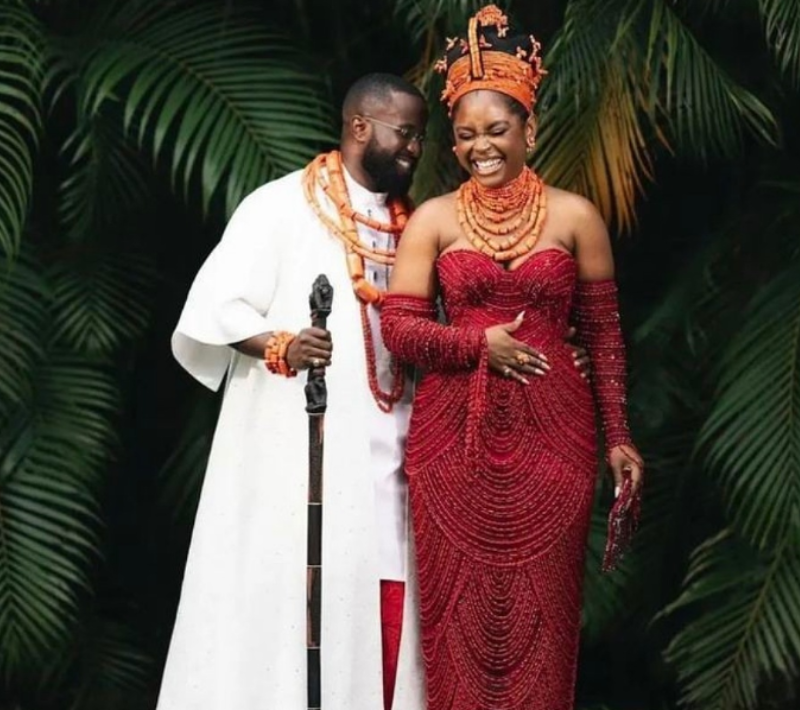
In recent years, there has been a noticeable shift in the way Africans perceive and value traditional marriage. This decline in cultural values is a topic of concern, raising questions about the future of family structures and societal norms in Africa.
Since this change in how African traditional marriages are perceived might affect families and communities in the future, let’s explore why this is happening and what it could mean if it continues.
Western Influence on African Values: Good or Bad?

Westernization and globalization have played a big role in changing how people in Africa think about marriage.
Westernization is when Western (European or American) ideas, values, and ways of life spread to other parts of the world. Globalization is when the world becomes more connected, making it easier to share ideas, cultures, and economies.
Westernization has affected African societies through things like TV, movies, and schools. Western media often shows different kinds of relationships and families that are different from traditional African marriages. These images can make traditional marriage seem less important, especially to young people who are more open to new ideas.
Globalization has also made cultures around the world more similar and if it persists among us, we may end up losing the beauty that is our uniqueness.
As African countries become more connected to the global economy, they start to adopt Western ways of life. This is especially true in cities, where Western culture is more common and it can cause traditional African values to fade away.

Why African Traditional Marriage Is Changing in a Globalized World
In the past, traditional marriage in Africa was deeply connected to community and religion. But now, modern ideas about personal freedom and happiness are changing what marriage looks like.
Today, people want marriages where partners are equal and focus on love and companionship. Which in itself, isn’t entirely wrong. However, as with every other thought theory, there will always be extremists that perverse the positive aspects of the theory.
Extreme feminists have taken away the beauty of husbands being husbands and wives being wives in marriage. African marriages today are completely different from how older generations viewed and behaved in marriage.
Toxic cultures about how “real men” should treat women are being infused into young men every day and it all continues to tear at the very fabric of what used to be most sacred in African traditional marriages.
Divorce rates have also been at an all-time high globally and it has slowly crept its way into African homes.
Traditional African marriages did not believe in separation unless absolutely necessary as in the case of abuse. But these days, people break the sacred bond of marriage for flimsy reasons, so much so that it leaves one wondering why the couple ever decided to get married if they couldn’t agree to work together to sort out minor differences.
These not-so-subtle changes are partly due to Western ideas about romantic love and personal choice, which are spread through books, movies, and pop culture.
In short, Westernization and globalization have greatly impacted traditional African marriages. These global influences have reshaped cultural values and made traditional marriage seem less important.
However, it’s important to remember that African cultures are strong, and it’s possible to keep traditional values alive by finding a balance between tradition and modernity.
Economic Factors: Traditional Marriage Is Now a Luxury in Africa

Image Source: Pinterest
Money matters when it comes to marriage in Africa. In this section, I’ll be highlighting how economic factors play a significant role in shaping attitudes towards traditional marriage. We’ll also discuss how finances affect the way people view traditional weddings.
1. Expensive Ceremonies
Traditional weddings in Africa are often big events with many rituals and celebrations. But today, these weddings can be very expensive. Families spend a lot on dowries, fancy clothes, decorations, and food. In places like Nigeria, traditional weddings can cost millions of naira.
For many young couples, the cost of a traditional wedding feels too much, so they choose simpler options like getting married at a courthouse.
2. Changing Customs
In the past, giving gifts and paying dowries were ways for families to show respect and build relationships. But now, these customs can feel like business deals, making marriage seem more like a transaction than a special bond.
Sometimes, families argue or even fight during traditional wedding ceremonies because the groom’s family didn’t meet the bride’s family’s demands. This can make traditional marriage less appealing to young people who don’t want to deal with the drama and high costs.
3. Societal Differences
Where you live and how much money you have can also affect how you view marriage. In cities and wealthy areas, people often prefer modern marriages where they get to choose their partner. But in rural and poorer areas, families have a bigger say in who you marry. Traditional customs are still strong in these places because they help keep communities together and preserve culture.
4. Migration
As people move to different countries for work or other reasons, they sometimes marry people from different cultures. While this can bring new ideas and experiences, it can also challenge traditional ways of doing things.
In summary, money plays a big role in how people see marriage in Africa. The high cost of traditional weddings has made them difficult for many young couples to afford.
As a result, some choose civil or court marriages instead, which are cheaper and more convenient. However, it’s important to remember that traditional customs have value in keeping communities strong and connected.
As African economies become more connected to the global market, there is more focus on wealth and social status.
Traditional weddings, once simple and communal, are becoming more elaborate and expensive, like Western-style weddings with lavish decorations and big parties. This commercialization of marriage puts a financial strain on families and turns marriage into a transaction rather than a sacred bond.
The Media’s Impact on Cultural Values

The media has also played a role in the decline of traditional marriage. With the rise of technology and mass media, young people are exposed to new ideas and lifestyles that often go against traditional beliefs.
The media, including TV, movies, and social media, greatly influence how people think and act, including how Africans view marriage.
1. New Ideas from the Media
Thanks to TV shows and movies from other countries, people in Africa see different ways of getting married. Sometimes, these Western ideas make traditional African weddings seem old-fashioned or less cool and it can make young people question the value of their customs.


As much as we want to stay in vogue and keep up with the rest of the world, we should also ensure we’re still in touch with our roots as that is where the true beauty of African marriages lies.
2. Modern Love Stories
Romantic movies often show love as something magical and personal, where people choose their partners based on feelings, not family. This idea clashes with traditional arranged marriages, where families have a big role in choosing who gets married. As a result, some people start preferring love marriages over traditional ones.
Again, this isn’t to say that individuals shouldn’t be allowed to make their choices and stick with them. If anything, they should be allowed complete freedom to choose whoever they want to marry since they are the ones who will be spending the rest of their lives with the person.
However, it becomes an issue when people start eloping or getting pregnant outside marriage because they want to enforce their choices on their family and these are influenced by modern love stories that they have read or watched.
3. Keeping Up with Trends
Social media platforms like Instagram and Facebook make it easy to see what weddings look like in other parts of the world.
When people see fancy decorations, designer clothes, and extravagant parties, they want the same for their weddings. And that is perfectly normal, but as with everything else, there needs to be a balance.
All things are lawful but not all things are necessary.
The pressure to keep up with trends can make more modest and intimate traditional weddings seem outdated or less desirable, which is untrue.
4. Changing Role Models
In the past, community elders and religious leaders were respected figures who upheld traditional values. But now, celebrities and influencers often set the standard for what’s cool or trendy. When these role models promote modern lifestyles or non-traditional relationships, it can weaken the influence of cultural traditions.
In short, the media plays a big part in shaping how people see marriage in Africa. While it’s great to have access to new ideas and perspectives, it’s also important to remember the value of traditional customs in preserving cultural identity and community strength.
The decline in cultural values surrounding African traditional marriages has big consequences.
African traditional marriage ceremonies were not just about the union of two people but also a way to celebrate heritage and identity. As these ceremonies become less common, there is a risk of losing touch with ancestral traditions, leading to a sense of cultural disconnect among younger generations.
Furthermore, the weakening of traditional marriage structures could affect social cohesion and stability. Strong family ties and community networks have historically provided support during tough times. However, as traditional marriages decline, there is a potential breakdown in these support systems, leaving people more vulnerable to social isolation and disintegration.
Final Thoughts
The decline in traditional African marriages is a complex issue influenced by many factors, including social, economic, and cultural changes. While modern forms of marriage reflect changing attitudes and priorities, it’s also important to consider the preservation of cultural heritage and community values.
Moving forward, it’s essential to find a balance between embracing social change and keeping African traditions alive. This way, future generations can continue to cherish and uphold the values that have sustained African communities for centuries.
Source of cover image: Pinterest
What's Your Reaction?