
Why Maternal Support Matters During Pregnancy and Childbirth

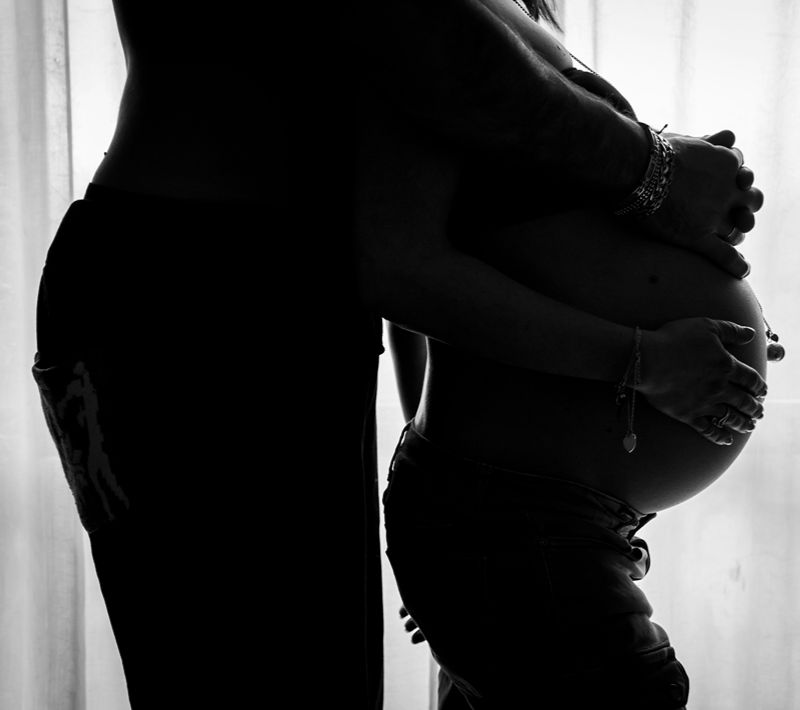
Pregnant Women Deserve Care, Not Just Congratulations
Pregnancy is often celebrated as one of the most beautiful experiences in a woman’s life. Friends and family gather around an expectant mother, congratulate her, buy baby clothes, suggest names and eagerly await the arrival of the new baby. But beyond the excitement, there is a woman carrying a pregnancy, experiencing physical changes, dealing with discomfort and preparing for one of the most demanding experiences her body may ever go through.
Unfortunately, the attention often shifts almost entirely to the baby, leaving the mother’s needs somewhere in the background.
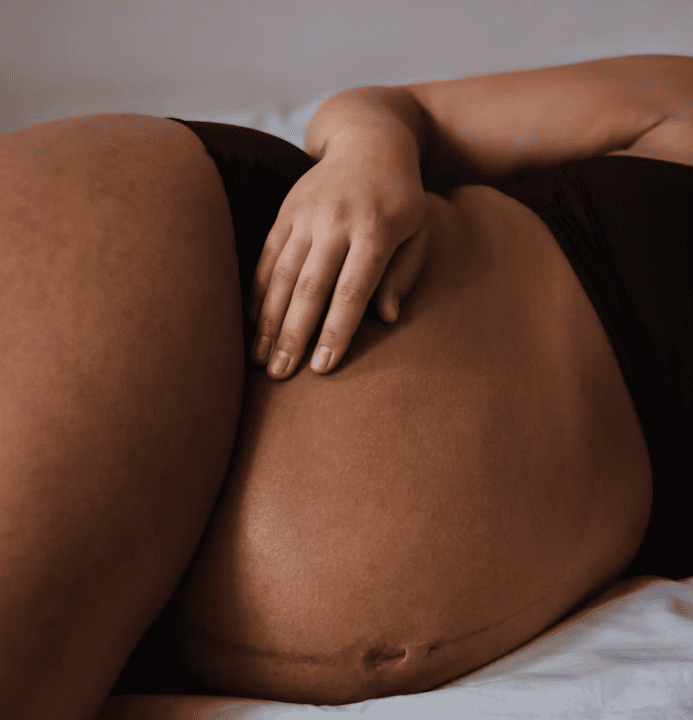
A recent viral story involving a Nigerian pregnant woman, Blessing Sunday Okoro, brought this conversation to social media. Blessing reportedly returned home to prepare jollof rice and fried plantain after being told at the hospital that she was already five centimetres dilated. Despite experiencing contractions, she decided that preparing food for her family was a better use of her time than remaining at the hospital.
Her video attracted mixed reactions. While some people found the situation amusing and praised her determination, others questioned why a woman experiencing labour pains was preparing food instead of receiving medical attention. Her husband’s reaction also became a subject of discussion after he reportedly appeared surprised to find her cooking rather than resting or preparing for delivery.
Thankfully, according to the account accompanying the viral video, Blessing eventually returned to the hospital and delivered a baby boy.
Although the story ended well, it raised an important question: why should a pregnant woman in labour still feel responsible for preparing meals for her family?
More importantly, how much care do pregnant women actually receive from the people around them?
Pregnancy Is Not a One-Woman Responsibility
One of the most common mistakes people make when dealing with pregnancy is assuming that because a woman is carrying the baby, she should naturally handle everything that comes with it.
A woman is expected to attend antenatal appointments, maintain the home, prepare meals, look after other children, attend family gatherings and continue with her usual responsibilities. Even when she complains of exhaustion, some people dismiss it as a normal part of pregnancy.
Of course, pregnancy is not an illness, and many women remain active throughout their pregnancies. However, this does not mean that every pregnant woman has the same physical capacity or that she should be expected to continue performing every household responsibility.
Pregnancy affects women differently. Some experience nausea, exhaustion, back pain and difficulty sleeping, while others may develop complications that require additional medical attention and rest.
The fact that a woman can still perform certain activities does not mean she should be expected to do them.
This is where partners, relatives and friends need to understand that pregnancy is not a responsibility that should be left entirely to the expectant mother. Helping with household chores, preparing meals, accompanying her to appointments and ensuring she has enough time to rest are simple but meaningful ways of providing support.
A husband should not have to wait until his wife is in labour before realising that she needs help.
The Importance of Antenatal Care
One of the most important ways to care for a pregnant woman is to ensure that she receives appropriate medical attention throughout her pregnancy.
Antenatal care allows healthcare professionals to monitor the health of both the mother and her unborn baby. During these appointments, healthcare workers can check blood pressure, monitor the baby’s development, identify potential complications and provide guidance on nutrition, medications, birth preparation and other pregnancy-related concerns.
These visits are not merely formalities that women attend because hospitals require them. They are an important part of preparing for a safer pregnancy and childbirth.
According to Nigeria’s 2024 Demographic and Health Survey, 63 per cent of women aged 15–49 received antenatal care from a skilled provider, while only 52 per cent had at least four antenatal visits. The report also found that 43 per cent of live births occurred in health facilities, while 56 per cent took place at home.
These figures highlight the continuing gaps in maternal healthcare access and utilisation in Nigeria.
Although there are several reasons women may not receive adequate antenatal care, including financial limitations, distance to healthcare facilities and other social challenges, families can play an important role in encouraging and supporting regular medical appointments.
A pregnant woman should not have to negotiate for transport money or struggle to find someone to accompany her when she needs medical attention.
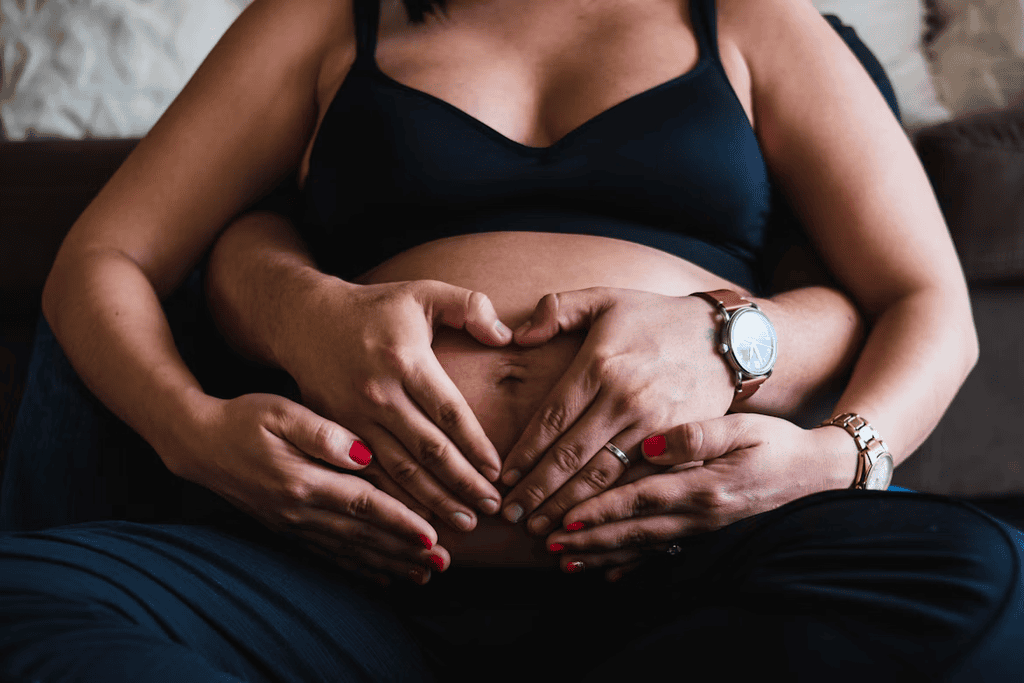
Women, Labour Is Not the Time to Prove How Strong You Are
Perhaps the most concerning part of Blessing’s story was not the jollof rice itself but the circumstances surrounding it.
There is a popular tendency to celebrate women who endure difficult situations without complaining. A pregnant woman who continues working despite discomfort may be described as strong. Another who gives birth without asking for assistance may be praised for being courageous.
While strength and resilience deserve recognition, they should never become expectations that prevent women from receiving care.
Labour is unpredictable. The experience differs from one woman to another, and the time between the beginning of labour and delivery cannot always be accurately predicted.
Being five centimetres dilated indicates that the cervix has opened considerably, but cervical dilation alone cannot tell exactly when a baby will be born. Labour progression depends on several factors, and a healthcare professional needs to assess the mother’s condition and the baby’s wellbeing.
This is why pregnant women should not make decisions about leaving a hospital or delaying medical attention based on assumptions about how much time they have left before delivery.
If a woman has been assessed at a hospital and advised to remain there, she should discuss any concerns or desire to leave with the medical team before making that decision.
There is no prize for being the woman who manages to finish cooking, clean the house or complete her errands while in labour.
At that point, her priority should be receiving appropriate care and preparing for delivery.
Husbands and Families Have a Responsibility Too
Pregnancy can be physically demanding, but the emotional experience can be equally challenging.
An expectant mother may worry about the health of her baby, the delivery process, financial responsibilities and the changes that motherhood will bring. Sometimes, what she needs most is reassurance that she is not going through everything alone.
Unfortunately, some partners treat pregnancy as something that happens exclusively to the woman. They may attend the occasional hospital appointment, purchase baby supplies and wait for the delivery date without becoming actively involved in the process.
But caring for a pregnant woman involves much more than buying things for the baby.
A supportive partner should understand her changing needs, pay attention when she complains of unusual symptoms and help ensure that she receives medical attention when necessary.
He can also help prepare the hospital bag, arrange transportation, organise emergency contacts and discuss a birth plan with her.
During labour, emotional support matters. The presence of someone she trusts can help a woman feel less frightened and isolated. The World Health Organization recommends that women have a companion of their choice throughout labour and childbirth.
This means that husbands, sisters, mothers or trusted friends can play meaningful roles in making childbirth a more positive experience, depending on the woman’s wishes and the healthcare facility’s arrangements.
Family members also need to understand that a pregnant woman is not obligated to entertain visitors, prepare elaborate meals or attend every social gathering. Sometimes, the best way to show love is to allow her to rest.
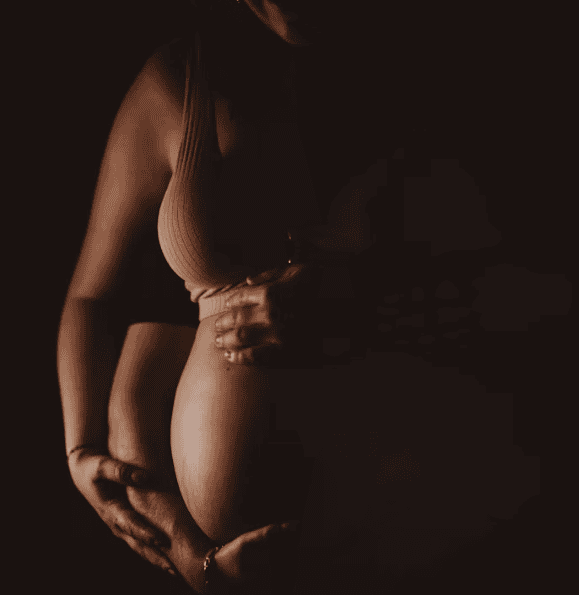
Knowing When Pregnancy Symptoms Require Medical Attention
Another important aspect of maternal care is understanding that not every pregnancy-related discomfort should be dismissed as normal.
Although many changes occur during pregnancy, certain symptoms require urgent medical assessment.


Pregnant women and their families should seek immediate medical attention if they experience vaginal bleeding, severe abdominal pain, persistent severe headaches, blurred vision, seizures, difficulty breathing or a noticeable reduction in the baby’s usual movements.
Other concerning symptoms, such as sudden swelling or fluid leaking before labour, should also be discussed promptly with a healthcare professional.
It is important not to wait for symptoms to become unbearable before seeking help. Even when a symptom turns out not to be serious, having it assessed can provide reassurance and help identify problems early.
Partners and family members should take these complaints seriously rather than telling pregnant women to endure the discomfort.
A woman should never have to convince the people around her that her health is important.
Care Should Not End After Childbirth
Another common oversight is the assumption that once a woman delivers her baby, the difficult part is over.
The arrival of a newborn often brings excitement and attention, but the mother still needs considerable care.
Childbirth is physically demanding, and recovery takes time. A woman may experience pain, bleeding, exhaustion and difficulty adjusting to her new responsibilities. Some mothers may also experience emotional difficulties as they adapt to the demands of caring for a newborn.
Postnatal care is therefore just as important as antenatal care.
Healthcare professionals should monitor the mother’s recovery, check for complications and provide guidance on breastfeeding, nutrition, hygiene and newborn care.
Families also have a responsibility to make recovery easier. Instead of expecting a new mother to immediately resume cooking, cleaning and attending to everyone in the house, relatives and partners should help with household responsibilities and allow her sufficient time to recover.
The baby needs attention, but so does the woman who gave birth.
Every Expectant Mother Deserves to Feel Cared For
Blessing’s story may have started as an amusing social media conversation about jollof rice, but it highlighted something much more important about how society treats pregnant women.
Too often, women are celebrated for enduring discomfort rather than supported in avoiding unnecessary hardship. Their ability to keep going is praised, while their need for assistance is overlooked.
Pregnancy should not be a period when a woman has to prove how much she can endure. It should be a time when the people around her become more conscious of her wellbeing.
This does not mean that every pregnant woman needs constant supervision or that she cannot make decisions about her own activities. Rather, it means recognizing that she deserves access to appropriate healthcare, practical assistance and emotional support.
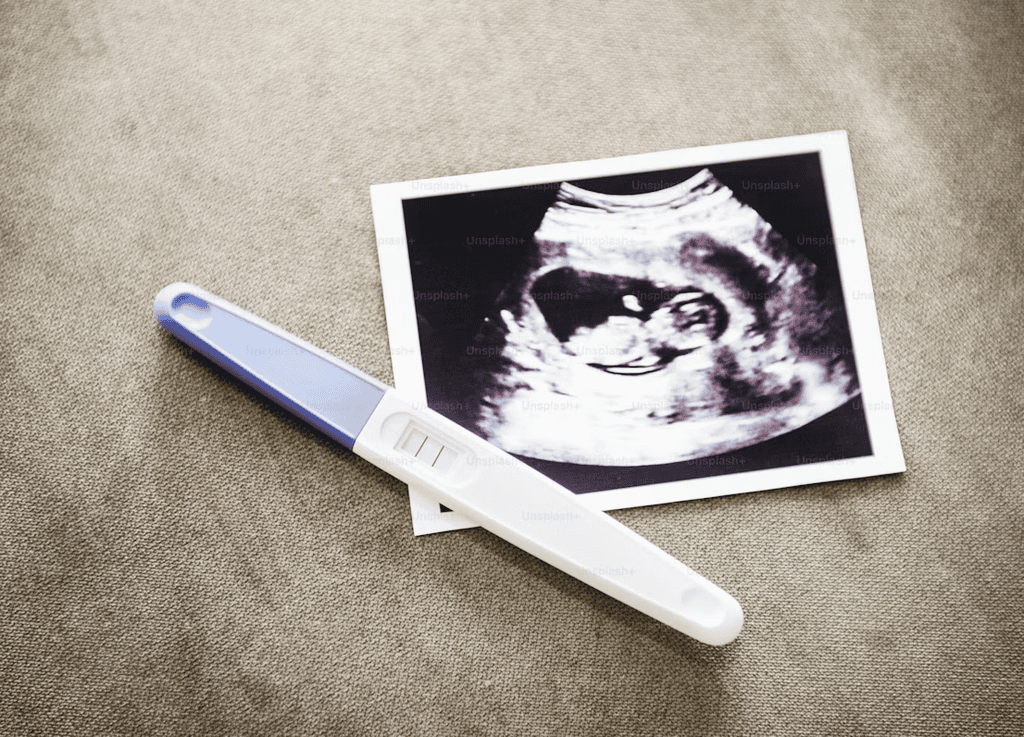
A husband who prepares dinner while his pregnant wife rests is showing care. A family member who accompanies her to an antenatal appointment is showing care. A friend who checks on her without making demands is showing care.
And when labour begins, ensuring that she receives timely medical attention is far more important than whether the family has eaten.
A new baby is worth celebrating, but the mother’s wellbeing should never become an afterthought.
After all, caring for a newborn begins with caring for the woman bringing that child into the world.
What's Your Reaction?
