
5 Healthy Eating Guides For Every Vegan Black Woman

Before you come after me, I also agree that the words “vegan” and “black” don’t usually feature side by side in a sentence because of how much we love our meat, fish, and other dairy products. In fact, I’m sure many blacks will agree that the phrase itself, “black vegan” will make a great example of an oxymoron. Nevertheless, many blacks have started going vegan, with countless trailblazing women advocating and supporting the plant-based nutrition diet.
If you’re reading this and you’re also considering going vegan because of its numerous health and environmental benefits, then you’ve made the right stop. I’ll be dropping 5 healthy eating guides that every vegan black woman needs to know to pull off the new diet plan successfully. Just keep reading, sister!
5 Healthy Eating Guides For Every Vegan Black Woman
Maintaining a healthy lifestyle is crucial for everyone, and as a vegan black woman, there are specific considerations to keep in mind. Let’s explore five practical guides to embrace while undertaking a vegan diet as a black woman.
1. Keep Your Plates Looking Colorful
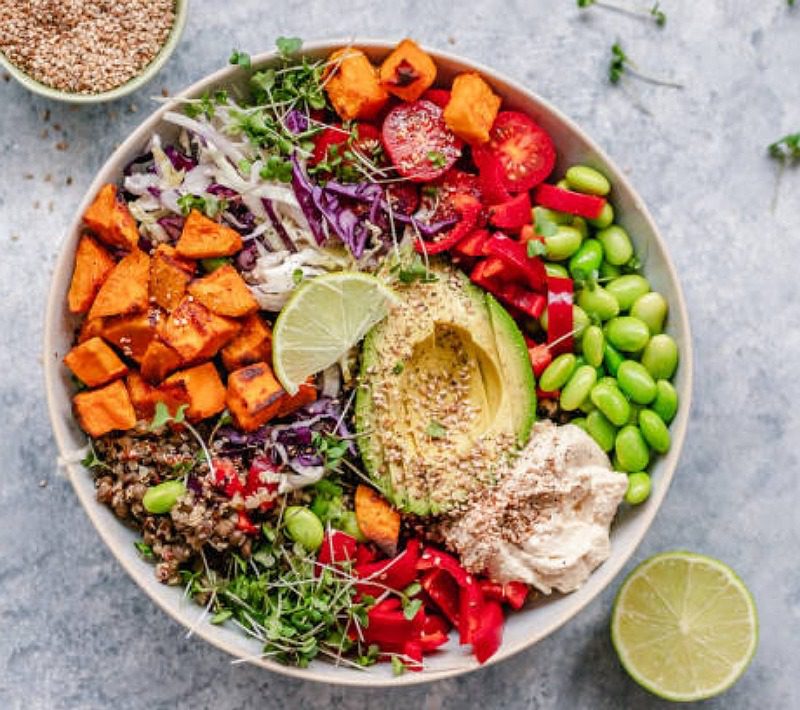
One of the most important healthy eating guides for a vegan black woman is to eat a variety of plant foods. This will ensure that you get all the nutrients you need, such as protein, iron, calcium, zinc, vitamin B12, and omega-3 fats.
Some of the plant foods that are rich in these nutrients are:
- Legumes: beans, lentils, peas, soybeans, tofu, tempeh, edamame, hummus, etc.
- Nuts and seeds: almonds, walnuts, cashews, pistachios, sunflower seeds, pumpkin seeds, chia seeds, flax seeds, hemp seeds, etc.
- Whole grains: brown rice, quinoa, oats, millet, buckwheat, amaranth, teff, etc.
- Fruits and vegetables: berries, bananas, apples, oranges, grapes, mangoes, pineapples, kiwis, avocados, tomatoes, cucumbers, carrots, broccoli, kale, spinach, collard greens, etc.
Try to eat a rainbow of colors every day, and experiment with different cuisines and flavors. You can also use spices and herbs to add more taste and health benefits to your meals.
2. Embrace Cultural Foods
One of the joys of being a vegan woman is that you can explore and enjoy the diverse and delicious cuisines of different cultures and regions. Maintaining a vegan diet is very easy because many of them are naturally vegan or can be easily veganized, such as:
African: African cuisine is rich in grains, beans, vegetables, fruits, nuts, and spices. Some of the dishes you can try are jollof rice, couscous, injera, fufu, maafe, ndole, bobotie, etc.
Asian: Asian cuisine is varied and flavorful, with many dishes that are based on rice, noodles, tofu, tempeh, seitan, soy sauce, coconut milk, curry, and herbs. Some of the dishes you can try are sushi, ramen, pho, pad thai, curry, stir-fry, dumplings, spring rolls, etc.
Caribbean: Caribbean cuisine is influenced by African, European, Indian, and Native American cultures, and features foods such as rice, beans, plantains, yams, cassava, coconut, jerk seasoning, and tropical fruits. Some of the dishes you can try are rice and peas, callaloo, ackee and saltfish, roti, curry, stew, patties, etc.
Latin American: Latin American cuisine is a fusion of indigenous, European, African, and Asian influences, and includes foods such as corn, beans, potatoes, quinoa, amaranth, tomatoes, peppers, avocados, cilantro, and lime. Some of the dishes you can try are tacos, burritos, enchiladas, quesadillas, nachos, salsa, guacamole, ceviche, arepas, empanadas, etc.
Mediterranean: Mediterranean cuisine is based on the traditional foods of the countries bordering the Mediterranean Sea, such as Greece, Italy, Spain, France, Turkey, Morocco, and Lebanon. It is known for its use of olive oil, bread, pasta, rice, couscous, hummus, falafel, tabbouleh, baba ganoush, dolma, etc.
You can also create your own fusion dishes by combining elements from different cuisines, such as a Thai curry with quinoa, a Mexican burrito with tofu, or a Greek salad with chickpeas.
To enjoy your vegan diet, try to be creative with everything! From plant-based jollof rice to vegan soul food, there are endless delicious possibilities to explore. Don’t be boring about it!
3. Always Stay Hydrated

It’s no surprise that staying hydrated is one of the top three healthy eating guides for vegan black women to maintain a plant-based nutrition diet.
Water is essential for your body to function properly. It helps to regulate your temperature, transport nutrients and oxygen, flush out toxins, lubricate your joints, and keep your skin hydrated.
As a vegan, you may need to drink more water than usual, because plant foods tend to have more fiber and less water than animal foods. Fiber is good for your digestion, but it can also make you feel thirsty.
The amount of water you need depends on many factors, such as your age, weight, activity level, climate, and health conditions. However, a general rule of thumb is to drink at least 8 glasses of water a day, or more if you are active, pregnant, breastfeeding, or sick.
You can also get water from other sources, such as herbal teas, fruit juices, smoothies, soups, and fruits and vegetables with high water content, such as watermelon, cucumber, celery, and lettuce.
4. Supplement Wisely

While it is possible to get all the nutrients you need from a well-planned vegan diet, some of them may be harder to obtain or absorb than others. That is why it is wise to take some supplements to ensure that you are not deficient in any essential vitamins or minerals.
The most important supplement for vegans is vitamin B12, which is only found in animal products. Vitamin B12 is needed for the production of red blood cells, the maintenance of the nervous system, and the prevention of anemia and nerve damage.
The recommended intake of vitamin B12 for adults is 2.4 micrograms per day, but vegans may need more, because plant sources of vitamin B12 are not well absorbed by the body. Therefore, it is advisable to take a daily supplement of at least 10 micrograms of vitamin B12, or a weekly supplement of at least 2000 micrograms.
Other supplements that vegans may benefit from are:
Vitamin D: This vitamin is important for the absorption of calcium and the health of your bones, teeth, muscles, and immune system. Your body can make vitamin D from sunlight, but depending on where you live, the season, and your skin color, you may not get enough exposure to the sun.
The recommended intake of vitamin D for adults is 15 micrograms per day, but vegans may need more, especially in the winter months.
You can take a daily supplement of vitamin D2 or D3, or eat foods that are fortified with vitamin D, such as plant milks, cereals, and mushrooms.


Calcium: This mineral is essential for the strength and growth of your bones and teeth, as well as the function of your muscles, nerves, and heart. The recommended intake of calcium for adults is 1000 milligrams per day, but vegans may need more, because plant sources of calcium are not as well absorbed as animal sources.
You can get calcium from plant foods such as leafy greens, broccoli, bok choy, okra, almonds, sesame seeds, tahini, fortified plant milks, tofu, and tempeh. You can also take a calcium supplement, but make sure it does not contain animal-derived ingredients, such as oyster shell or bone meal.
Iron: This mineral is vital for the transport of oxygen in your blood, the production of energy, and the prevention of anemia and fatigue. The recommended intake of iron for adults is 8 milligrams per day for men and 18 milligrams per day for women, but vegans may need more, because plant sources of iron are not as well absorbed as animal sources.
You can get iron from plant foods such as beans, lentils, soybeans, tofu, tempeh, quinoa, oats, nuts, seeds, dried fruits, molasses, and dark leafy greens.
You can also take an iron supplement, but be careful not to take too much, as excess iron can be harmful. To enhance the absorption of iron, eat foods that are rich in vitamin C, such as citrus fruits, berries, peppers, tomatoes, and cabbage, along with your iron-rich foods.
Avoid drinking tea, coffee, or calcium supplements with your iron-rich foods, as they can reduce the absorption of iron.
Zinc: This mineral is important for the function of your immune system, wound healing, growth, and metabolism. The recommended intake of zinc for adults is 11 milligrams per day for men and 8 milligrams per day for women, but vegans may need more, because plant sources of zinc are not as well absorbed as animal sources.
You can get zinc from plant foods such as beans, lentils, soybeans, tofu, tempeh, nuts, seeds, oats, quinoa, wheat germ, and nutritional yeast. You can also take a zinc supplement, but be careful not to take too much, as excess zinc can interfere with the absorption of other minerals, such as copper and iron.
5. Support Black-owned Vegan Businesses
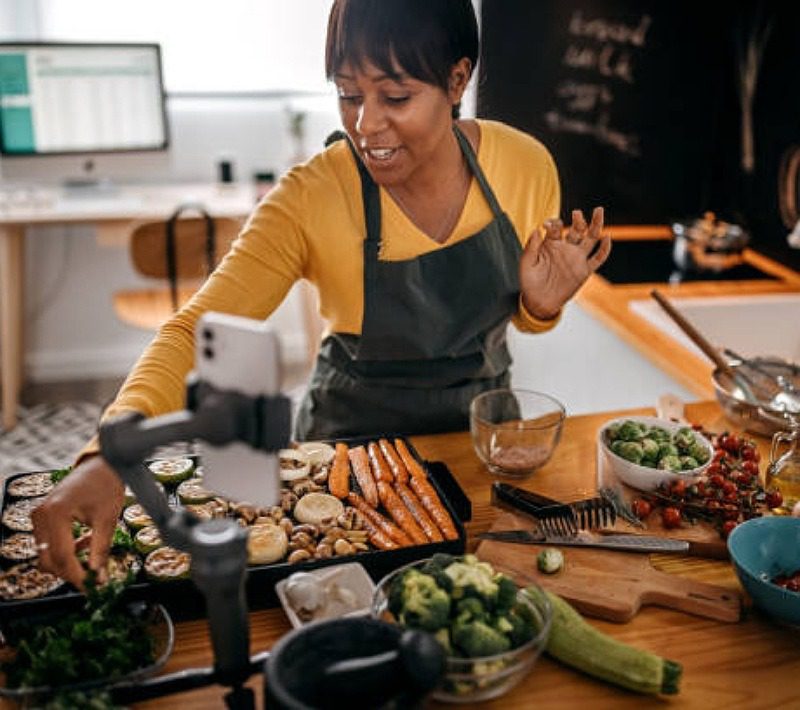
One of the ways to make your vegan lifestyle more enjoyable and meaningful is to support black-owned vegan businesses. These businesses are run by people who share your values, understand your challenges, and cater to your needs. They also contribute to the economic empowerment and social justice of the black community.
Another way to ensure the easy sustenance of a vegan diet is by finding and connecting with a vibrant community of black vegan women. You’ll be able to share recipes, tips, and support each other as you embark on this empowering journey.
Building a community provides encouragement and a sense of belonging that you don’t want to miss out on.
Final Thoughts
Remember, your health journey is uniquely yours. By applying these healthy eating guides that were curated just for you, dear vegan black woman, you’re not just nourishing your body, but you’re also making the world a better place to live in.
So, good luck!
What's Your Reaction?
