
War in the Middle East as Israel and U.S. Alliance Strikes Iran

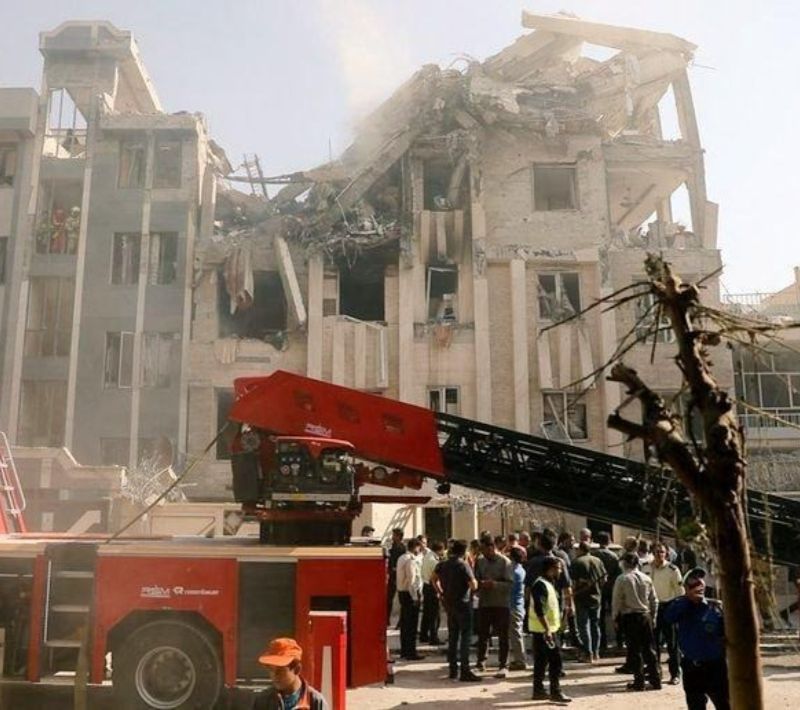
Israel and U.S. Joint Attack on Iran Escalates Middle East Conflict
The Middle East has been thrown into chaos during the holy month of Ramadan as the 2026 joint attack by Israel and the United States on the state of Iran marks a significant shift in the tides of history. The military strike, carried out by Israel and the United States of America, is reportedly aimed at forcing regime change in Iran and addressing global concerns regarding Iran’s nuclear programme.
According to reports, the two countries feared that if Iran completed its new nuclear programme, it might eventually wage war against them. As a result, they decided to act first. Tensions between the nations had already been escalating. Last year, Israel and Iran exchanged missiles across their borders, and this year the United States decided to formally align with Israel in military action against Iran.
Recent reports indicate that at least three nuclear facilities in Iran have suffered severe damage and destruction following the airstrikes.
Death of Iran’s Supreme Leader Ayatollah Ali Khamenei
During the ongoing conflict, Iran’s Supreme Leader, Ayatollah Ali Khamenei, reportedly lost his life in a targeted airstrike carried out by the United States and Israeli forces. Iranian state media confirmed that he was killed in what has been described as a decapitation strike around the Tehran area.
The attack has sparked mixed reactions both within and outside Iran. Many people mourned his death, while others celebrated it.
Ayatollah Ali Khamenei ruled Iran for 36 years, overseeing a strict religious-based political system. Following his death on February 28, 2026, the Iranian state announced a 40-day mourning period.
After an emergency leadership session held on March 6, 2026, his second son, Mojtaba Hosseini Khamenei, was named the new Supreme Leader of Iran.
Interestingly, reports suggest that Iranians living abroad appeared to celebrate Khamenei’s death more openly than many citizens currently living inside Iran. Analysts are now questioning whether this major shift in leadership will ease Iran’s strict religious regime or make it even more rigid.
U.S. President Donald Trump Responds to the Airstrikes
The President of the United States, Donald J. Trump, addressed the situation in a series of posts on the social media platform X.
In one message, he wrote:
“Khamenei, one of the most evil people in history, is dead. This is not only justice for the people of Iran but for all great Americans and people from many countries around the world who have been killed or mutilated by Khamenei and his bloodthirsty thugs.”
He further stated:
“The heavy and pinpoint bombing will continue uninterrupted throughout the week for as long as necessary to achieve our objective of peace throughout the Middle East and indeed the world.”
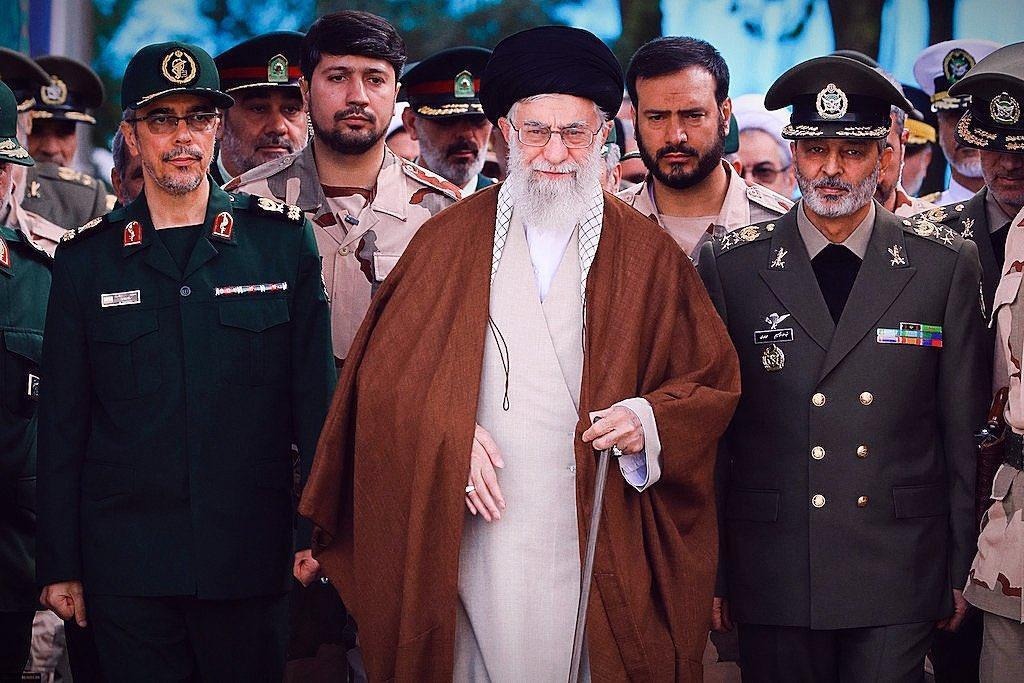
Key Iranian Military Leaders Killed in Airstrikes
Other Iranian leaders who were killed alongside Ayatollah Ali Khamenei include Ali Shamkhani, the head of the National Defence Council; Mohammed Pakpour, the Commander-in-Chief of the Islamic Revolutionary Guard Corps (IRGC); and Amir Nasirzadeh, Iran’s Defence Minister.
Their deaths mark a major blow to Iran’s military leadership as the conflict between Iran, Israel, and the United States continues to escalate.


Civilian Casualties Rise Amidst Growing U.S. Tensions
The death toll continues to rise as Israel and the United States exchange missile strikes with Iran. In a tragic development, a girls’ elementary school was also hit during the attacks, an incident widely seen as a serious violation of international humanitarian law.
So far, neither side has officially acknowledged responsibility for the strike.
More than 170 people have already been confirmed dead, and the number is expected to increase as the conflict continues. In a heartbreaking scene, parents of the young victims were asked to identify their children using the backpacks some of them carried before preparations began for a mass burial.
Analysts warn that more countries in the Middle East may become involved if the war continues to escalate. During a Senate Armed Services Subcommittee hearing on March 4, 2026, a dramatic incident unfolded when former U.S. Marine Sergeant Brian McGinnis stood up and shouted, “No one wants to fight for Israel.”
Security officers immediately removed him from the building. During the scuffle, his arm was reportedly broken after being wedged in a door frame. The incident highlights the growing tension and division surrounding the conflict within the United States itself.
Calls for Negotiation to Prevent Further Loss of Life
As the war continues, many observers believe that a diplomatic concession will eventually be necessary to end the conflict and prevent further loss of life and destruction of property across the region.
Without negotiations, experts warn that the situation could spiral into a wider Middle East war involving several additional nations.
Cover image is sourced from X
What's Your Reaction?