
Nigeria’s Democracy Day: Is Nigeria Still In A Democracy?

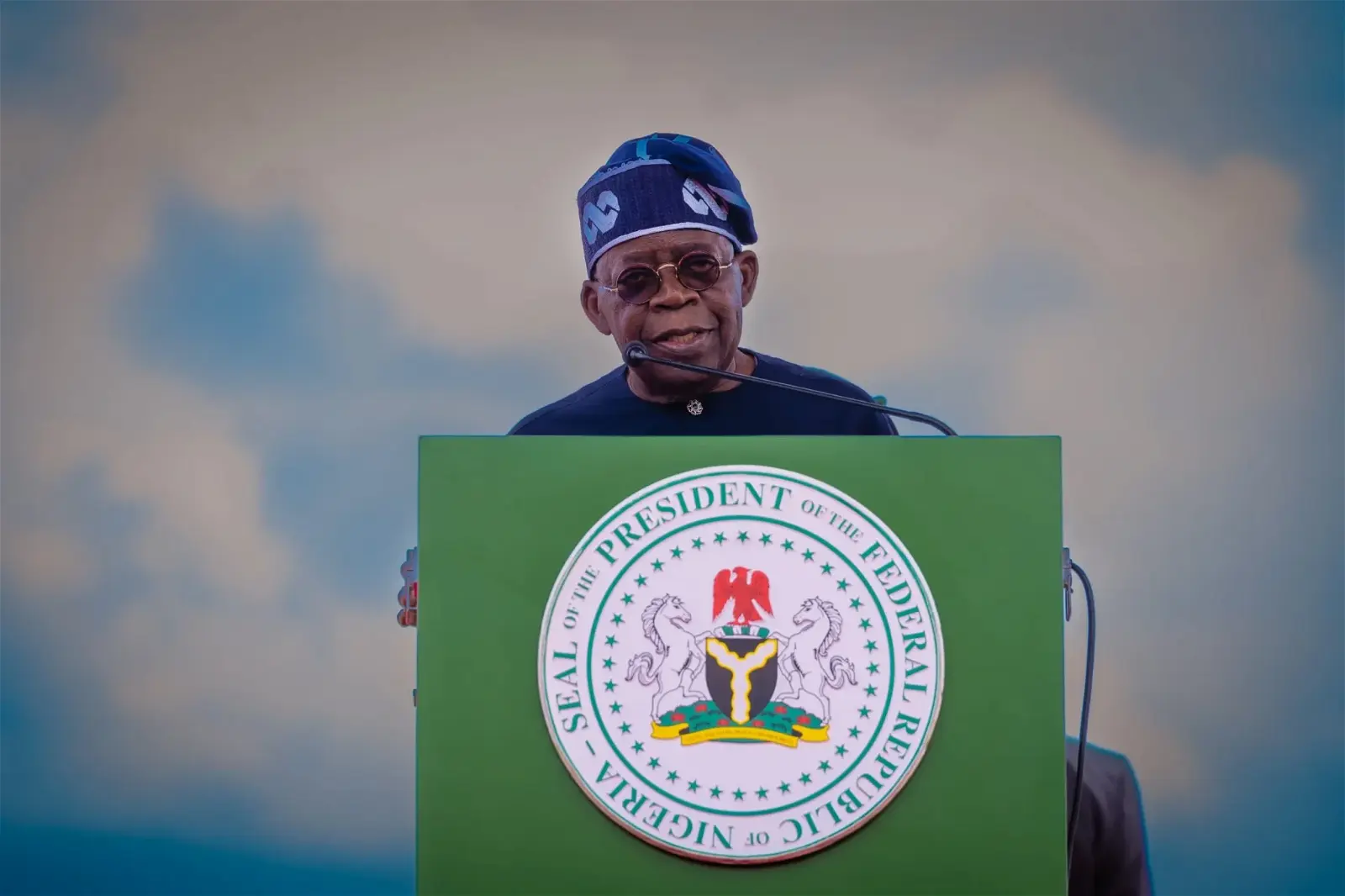
How do we best identify danger? It is when we are faced with everything unpleasant going on in Nigeria presently, and still call it a ‘Democracy’. That is how we know that we are in danger. On Nigeria’s Democracy Day, we should ask ourselves these important questions.
Only a few years ago, there was a reported case of militants killing at least 25 people. These individuals were reported to have razed houses, shops, and a palace in a town in Nigeria’s southwest. However, no clear effort has been made to tackle this insurgency because the government for some reason does not deem the security of its citizens as a priority as opposed to other matters like changing the national anthem.
To aggravate matters, the growing insurgency in Nigeria has reached its peak. In the North, thousands of people are abducted, killed, and kidnapped daily. The most recent one is the growing case of human trafficking in the south-east and some part of the west. However, it is amidst all this that we adjudge to practice the term “Democracy.’
When a child is born, the commemoration of the child’s birth is done every year in felicitations and loud songs, however, when the case is reverted, and such felicitations are held amidst political turmoil, economic decline, mass insecurity, and unhealthy divisions, such celebrations do not remind anyone of anything good (Democracy) but rather, it only reminds of a slathering of political good that would have been if things had been done better by all, both at the highest positions of power and even at the rung of the ladder.
When is Nigeria’s Democracy Day?
June 12 is a day declared by the Nigerian government to mark and commemorate the posterity of Democracy and its unfailing liberation of the people and country from the unbearable clutches of colonialization. June 12 originally was marked Democratic day because it is significantly a day of great value in the history of Nigeria. it is the date of Nigeria’s acclaimed freest and fairest election, held in 1993.
A day that reminds Nigerians of the labor of their heroes’ past in contribution to the development of the country. However, while this day which is supposed to reflect the beauty of Democracy and the people’s appreciation for independence should have been revered and anticipated in good faith, we see that the reverse is the case as only recently, past celebrations have been marked by general apathy. It is indeed no longer an indication that the air in Nigeria is restricted and filled with political strife and tension as the unity of the country strains between a rock and a hard place.
In early 2025, Nigeria’s political tensions have reached a critical point, prompting an urgent question: Is Nigeria’s democracy genuinely at risk? The country has witnessed a series of escalating crises, from economic struggles to political confrontations and security breakdowns.
- Brutal herder-farmer violence in central Nigeria claimed approximately 42 lives in Benue State villages over the past weekend. The attacks—targeting women and children—underscore mounting tensions tied to climate change, land pressure, and ethnic grievances
Source: theguardian.com. - In Borno State, suspected Islamist militants from Boko Haram/ISWAP executed at least 23 farmers and fishermen and abducted others, marking a dangerous resurgence of violence in the northeast
Source: reddit.com+2reuters.com+2en.wikipedia.org+2. - Multiple deadly incidents (bombings and raids) occurred across Nigeria this spring, including a roadside bombing on April 12 near Damboa-Maiduguri, fierce clashes in Plateau and Zamfara states in mid-April, and attacks on April 30 in Borno killing 15 civilians.
- In Imo State on May 10, 30 travelers were killed and 20 vehicles set ablaze on the Okigwe-Owerri highway; authorities suspect the Biafra-aligned Eastern Security Network played a role.
Source: apnews.com. - The ECOWAS security bloc, celebrating its 50th anniversary, faces growing jihadist threats and coups, highlighting regional instability that affects Nigeria and its neighbours.
Source: reuters.com.
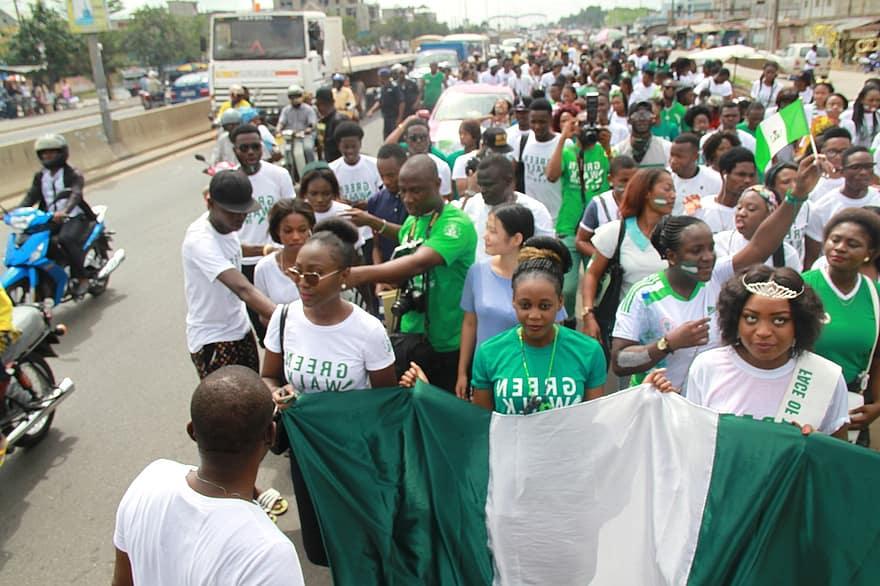
These overlapping crises clearly show that Nigeria’s democracy is under serious strain. The ongoing security collapse, marked by violent attacks across multiple regions, highlights the weakening control of the government.
At the same time, devastating floods have threatened the lives and livelihoods of millions, placing overwhelming pressure on both local and federal relief systems. Politically, the ruling party’s early endorsement of President Tinubu for re-election in 2027, despite widespread economic hardship, has deepened public frustration and disillusionment.
Furthermore, recent government crackdowns on cultural practices, like the enforcement of a ban on spraying money at parties, have triggered backlash, as many view it as selective law enforcement that erodes trust in national institutions. Together, these issues paint a troubling picture of a democracy in distress. Which brings us back to the question, is Nigeria still a democratic country?
Is Nigeria Still A Democratic Country?
The ultimate enemy of Democracy is a dictatorship. A dictatorship is a form of government characterized by a single leader or group of leaders and little or no tolerance for political pluralism or independent media – Wikipedia.
Since independence, Nigeria has had a weak hold on her Democracy. On the 15th of January 1966, the first Military dictatorship began and Nigerians began to suffer like never before. The Military which had good intentions of ridding the Country of corruption became even more entrenched in it than the colonial government officials they despised.
The entire military dictatorship was aptly described in the writing of the late Ken Saro Wiwa, an activist who was murdered for speaking up against the military government.
“One military dictator, Ibrahim Badamasi Babangida, defined the true Nigerian this way: Every Nigerian had a price and all you had to do was to find the right price; if however, you found a Nigerian who had no price and could therefore not be bought, he or she was not a true Nigerian and had to be carefully watched. Another military dictator, Sani Abacha, had a far more sinister take on this matter: Every Nigerian had a price; any woman or man that had no price and could not be bought was not a Nigerian and had to be jailed or killed or both. I know of no literary testament from our unhappy country that goes more to the heart of this particular darkness than this volume containing the last writings of the late Ken Saro-Wiwa.”
If history is not enough to warn us, then perhaps our present can. In the past weeks, Nigerians have asked themselves this question with greater trepidation and urgency. Are we in a Democracy?
The recent clampdown on freedom of expression, marked by arrests of journalists and activists under the Cybercrimes Act, along with the proposed Subversion Bill criminalizing dissenting acts (like refusing to sing the national anthem), highlight an increasingly restrictive political climate.
Arrests such as that of social commentator Dele Farotimi sparked mass protests under #FreeDeleFarotimiNow, with many Nigerians condemning these moves as blatant attempts to silence criticism. Meanwhile, nationwide “End Bad Governance” protests, driven by surging food inflation and the removal of fuel subsidies, were harshly suppressed by security forces last summer.
Even recent defection of Nasir El-Rufai from the APC to the SDP reflects growing political unrest and dissatisfaction with the current administration. Together, these developments, suppression of media, heavy-handed response to dissent, mass unrest, and internal party fractures, paint a grim picture: Nigeria’s democracy is under serious threat.
How is Democracy Day in Nigeria
June 12 is Democracy day in Nigeria in commemoration of the democratic election of MKO Abiola on June 12, 1993, in Nigeria’s freest and fairest elections in history.


Since its official recognition in 2018, June 12 has replaced May 29 as Democracy Day, serving as a time for reflection on the nation’s democratic progress, civil liberties, and the struggles of its citizens to uphold electoral justice and freedom.
On this day, government officials deliver national addresses, civil society groups hold discussions and rallies, and Nigerians engage in debates about the health and future of their democracy. While it’s a day of celebration for many, it also raises important questions about accountability, transparency, and whether the promises of democracy are being fulfilled in the lives of everyday Nigerians.
The Role of Civil Society in Nigeria’s Democracy Today
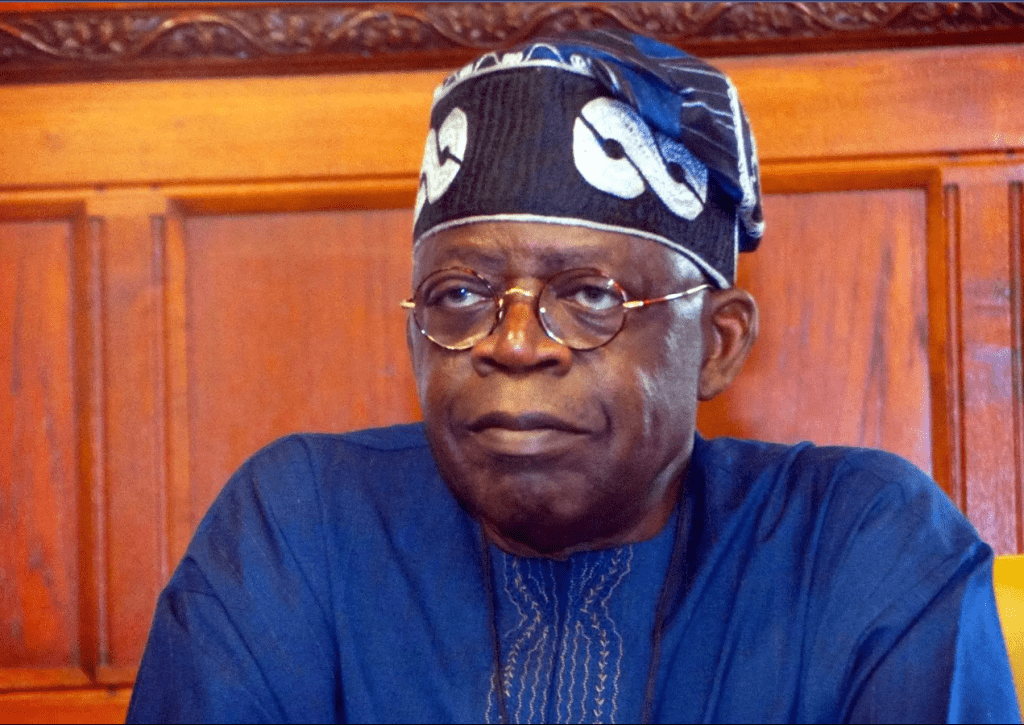
In these difficult times, civil society plays a crucial role in defending democratic principles and holding the government accountable. The #EndSARS protests in 2020 showed the power of collective action. Despite violent suppression, the protests called for real change. However, the government allegedly hired thugs to disrupt these protests, showing how far those in power will go to maintain control.
To protect Nigeria’s democracy, citizens, civil society groups, and international partners must continue to push for transparent governance, respect for human rights, and economic reforms that benefit the people. Building stronger democratic institutions, ensuring accountability, and promoting open dialogue are key steps toward rebuilding trust and fostering a more resilient democracy.
Final Thoughts
Nigeria is at a crossroad. The country’s democracy faces serious challenges from insecurity, economic hardship, and government inaction. As Nigerians mark Democracy Day, it is a reminder of the country’s aspirations and struggles.
The future of Nigeria’s democracy depends on the people’s efforts to demand and bring about meaningful change, and of course the Federal Government of the Republic of Nigeria to be sympathetic enough to answer all their pleas. Only by doing so can they ensure freedom, peace, justice, and prosperity for all.
Happy Democracy Day Nigeria!!!
All images are sourced from twitter.com & vanguard


What's Your Reaction?